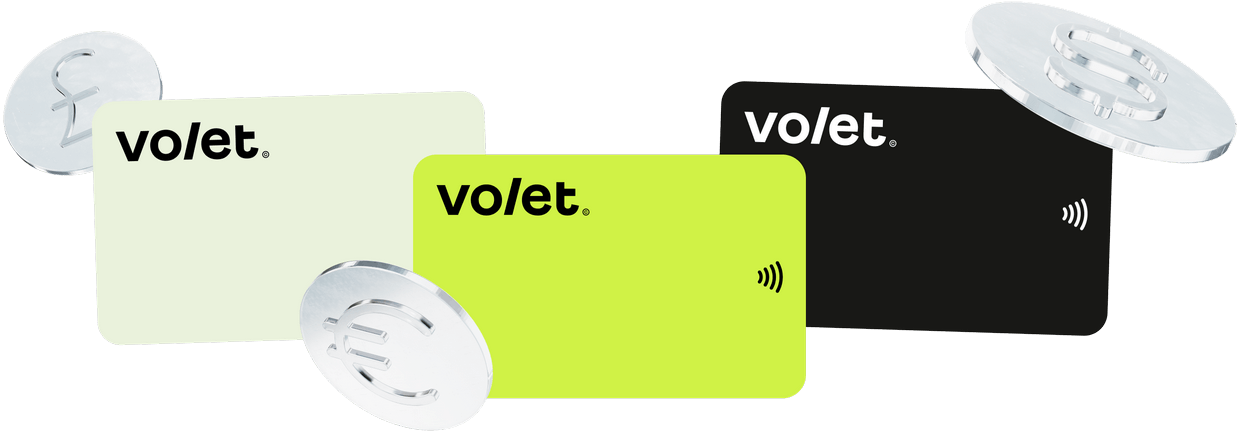

The modern money experience is no longer built around a single account, a single currency, or a single way to pay. People earn in one place, transfer in another, hold balances in multiple forms, shop online across borders, and expect their wallet to connect all of it without friction. That is the environment Volet is built for. Across its current public pages, Volet presents itself as a digital wallet and payment platform designed to bring together fiat balances, crypto functionality, payment cards, transfers, exchange tools, merchant checkout, and business payouts inside one ecosystem. Rather than asking users to patch together several services to move, store, convert, and spend money, it aims to make those functions work as parts of the same system.
That matters because the best online wallet today is not just a place to keep funds. It is a place where value can move. A useful e wallet needs to help users receive money online, hold multiple balances, convert between formats, issue cards, manage spending, and cash out when needed. A truly modern global digital wallet also has to serve more than one audience. It has to work for an individual making everyday purchases, for a traveler moving between countries, for a freelancer receiving international payments, and for a business handling payouts at scale. Volet’s structure suggests that this is exactly how it sees the market: not as isolated payment tasks, but as one connected money workflow.
That is why Volet can be discussed through many different search intents without feeling forced. Someone may approach it as a secure digital wallet, a multi currency wallet, a crypto friendly wallet, a wallet with virtual Mastercard access, an online wallet with debit card functionality, a payment app for international transfers, or a business payment platform. The reason all of those descriptions can fit is that Volet is not positioned as a single-purpose product. It is built around the idea that people want one account that can help them send money online, receive international payments, spend through cards, manage fiat and crypto, and move funds globally without juggling disconnected tools.
Why Modern Users Need More Than a Simple Wallet
Traditional payment products often split money into separate worlds. One tool may be good for sending bank transfers. Another may be good for holding crypto. A third may be useful for online card purchases. A fourth may be where a business manages payouts. The friction comes not from any one service failing entirely, but from the fact that each one handles only part of the job. Volet’s current product language addresses that exact gap. Its homepage emphasizes getting paid, distributing funds, automating B2B and B2C payments, moving money and crypto, and using cards for worldwide purchases and ATM access. Its business pages extend that idea into acquiring, mass payouts, treasury, and cross-border payment flows. The overall message is that a wallet should not be a dead-end storage tool. It should be a hub for money movement.
This is what gives Volet practical relevance in a crowded fintech landscape. A lot of people searching for a PayPal alternative for international payments, a Skrill alternative, a Neteller alternative, or a Wise alternative for payments are really searching for something broader than a brand replacement. They are searching for a more flexible financial setup. They want an account that supports online payments, card spending, international transfers, and currency management without unnecessary complexity. Volet’s product structure speaks to that demand by combining wallet functions, card products, crypto support, and business payment tools in a way that feels operational rather than decorative. It is trying to solve for everyday money use, not just one transaction type.
One Account for Fiat, Crypto, and Stablecoins
One of the defining features of Volet is that it does not separate fiat and crypto into unrelated product universes. Its public materials describe a system where users can work with USD and EUR while also using BTC, ETH, TON, SOL, XRP, USDT, USDC, and other assets in wallet, payout, and business flows. The business overview says the account can hold USD, EUR, USDT, USDC, BTC, ETH, and more, while the personal fee and card pages show how fiat and crypto interact in the user journey. This creates a more practical kind of fiat and crypto wallet, because the point is not only to store assets, but to move between them when needed.
That design matters because today’s users often live in both financial worlds at once. A creator may receive stablecoins, a contractor may want to withdraw in fiat, a trader may want to hold liquidity in crypto but spend in dollars or euros, and a remote worker may want one app that can bridge all of those needs. Volet’s own pages repeatedly position the wallet as the place where those transitions happen. Crypto and stablecoins can enter the account, fiat balances can be managed within the same environment, and spending or payouts can follow from there. For users searching for a stablecoin wallet, crypto payment wallet, multi asset wallet, or digital wallet with crypto conversion, that makes the platform significantly more useful than a storage-only crypto app or a fiat-only payment account.
The flexibility becomes even more visible when Volet talks about settlement and conversion. Its business materials say companies can accept crypto and settle instantly in fiat if needed, while its crypto payment gateway page says merchants can turn on auto-conversion to USD or EUR to avoid holding unwanted crypto exposure. A recent Volet guide also describes both manual conversion and auto-conversion from supported stablecoins into fiat balances when funds are received. That means the wallet is not just “crypto friendly” in a branding sense. It is designed for real conversion between digital assets and spending-ready or payout-ready balances.
Multi-Currency Functionality That Matches Real Life
A wallet becomes global when it can do more than display several balances. It has to support the way users actually move through currencies in daily life. Volet’s personal fee page shows that users can load accounts through transfers from personal accounts, local bank transfers, cards, crypto, and stablecoins, and can withdraw through bank transfer, SWIFT, cards, crypto, and stablecoins. Its business pages describe multi-currency balances and both local and global rails, including SEPA, SWIFT, CIPS, and FPS. This is the kind of operational coverage that makes a multi currency wallet useful in practice rather than merely attractive in a headline.
For personal users, this means the wallet can work as an account for holding value, not just for passing funds through once. For businesses, it means treasury and payout decisions can be made with more flexibility. A user can think of Volet as a USD EUR wallet, a euro dollar pound wallet conceptually, a wallet for foreign transactions, or a digital wallet with currency conversion, because the platform is built around balances that are meant to move across use cases. It is not only about storing money online. It is about managing money online in forms that make sense for international spending, transfers, and settlement.
There is also a credibility benefit in how openly Volet publishes pricing around those flows. Its personal and business fee pages both say there are no fees for opening or closing an account, verification, or monthly or annual maintenance, while listing concrete deposit and withdrawal costs depending on method and asset. Transparent fees do not automatically make a product inexpensive in every scenario, but they do make it easier to understand and compare. For users searching for a low fee e wallet, a fast money transfer app, a wallet with exchange rates, or an affordable money transfer app, that clarity matters. It suggests a platform that expects informed users and is willing to show how the model works.
Virtual Cards and Plastic Cards for Everyday Spending
One of the strongest features that defines Volet is its card layer. The platform’s cards page says users can choose virtual or plastic Visa and Mastercard options, use them worldwide, top them up instantly from the Volet e-wallet, and spend online or offline with 0% FX markup on the card products highlighted there. The page also says card availability depends on the specific product and region, with the global digital Mastercard available in 150+ countries, Europe cards available across Europe, Turkey, and Israel, and an APAC plastic card available in the Asia-Pacific region. That range transforms the wallet from a place to hold funds into a place to actually use them.
That transformation is more important than it first appears. Many users do not merely want a wallet for transfers. They want a wallet for everyday spending. They want to pay for software, subscriptions, travel, dining, retail purchases, or international online shopping without first routing their funds through a separate banking product. By adding both virtual card and plastic card options, Volet makes itself relevant to people searching for an online wallet with debit card access, a wallet with physical card, a wallet with virtual Mastercard, a digital card for subscriptions, or a prepaid travel wallet. The cards turn wallet balances into purchasing power.
Volet’s Digital Card page shows this most clearly. It describes a Virtual Mastercard USD card with instant issuance, global use, Apple Pay and Google Pay readiness, 0% FX markup, and a monthly volume capacity up to the product’s listed threshold. The page frames the card as a simple path from crypto-supported wallet balances into real-world spending. In practical terms, that means Volet is not positioning its card as an isolated prepaid product. It is presenting it as the spending surface of a larger wallet ecosystem. That is exactly what makes a virtual crypto card, bitcoin wallet with card, or crypto debit card concept appealing to users who want convenience without abandoning flexibility.
Instant Issuance and Mobile Wallet Compatibility
Virtual card speed is a major advantage in the modern payment market, and Volet leans into that clearly. Its cards page says virtual cards are issued instantly, while plastic cards can be shipped with standard or express delivery depending on region. For users who need a card quickly for online purchases, recurring services, ads spending, business tools, or urgent travel arrangements, instant issuance matters a lot. It means the wallet can be activated for spending almost immediately instead of waiting for traditional card delivery cycles. In search language, this is the kind of capability people associate with terms like instant virtual card, instantly issued virtual card, create virtual card instantly, or instant online card issuance.
The mobile wallet angle adds another layer of convenience. Volet’s cards page says some cards support Apple Pay and Google Pay, and its digital card support article states directly that the Digital Card can be linked to Apple or Google Pay after creation. The digital card product page likewise highlights Apple and Google Pay readiness for point-of-sale use. In practical terms, that means the wallet is built not only for browser-based transactions but also for modern tap-to-pay behavior. For users searching for a mobile wallet app, wallet with contactless payments, tap to pay wallet, Apple Pay crypto card, or Google Pay crypto card, this compatibility turns Volet into a much more complete spending solution.
What makes that especially useful is how it bridges the gap between online balances and offline life. A lot of wallets are good at online transfers and weaker at in-store spending. A digital card that can sit inside Apple Pay or Google Pay closes that gap. It allows the same wallet ecosystem to support both checkout on a website and payments in a physical store. That is part of what gives Volet a “global digital wallet” feel rather than a niche payment-tool feel. It is designed to travel with the user from app to browser to merchant terminal.
A Practical Path From Crypto to Card Spending
A recurring theme in Volet’s product pages is that card spending is meant to work with the broader wallet, not against it. The cards page says cards are topped up from the Volet e-wallet only, and the Digital Card flow explains that users top up the wallet first, then move USD to the card balance for spending. The company also explicitly says many users choose its cards for crypto-related use cases by loading funds from a fiat e-wallet that itself was topped up through crypto or stablecoins. That may sound like a subtle distinction, but it is actually one of the more important product design choices on the platform.
Why does that matter? Because it creates a cleaner and more understandable path from digital assets to real-world payments. The user does not have to think about crypto at the moment of card authorization. The conversion logic happens at the wallet level, and the card then spends a familiar fiat balance. That model is easier to control, easier to reconcile, and easier for users to understand. For anyone looking for a crypto to fiat wallet app, crypto off ramp wallet, spend crypto worldwide solution, or everyday crypto wallet with spending features, this structure is especially appealing. It gives the freedom of crypto entry with the usability of fiat card spending.
The same logic makes the wallet more attractive to travelers and international users. When the payment moment is simple and the conversion has already been handled, the experience feels more like using a normal travel payment card and less like managing a technical crypto stack. That is why Volet can credibly appeal to users searching for a crypto card for travel, a bitcoin spending card, a global card for crypto users, or a secure crypto spending wallet. The point is not to make crypto look flashy. It is to make it usable.
Funding the Wallet in Multiple Ways
A defining feature of any serious payment wallet is how users can get money in. Volet performs well here because it supports several practical funding routes rather than relying on one narrow method. Its personal fee page lists transfers from personal accounts in USD and EUR, local bank transfers across a long list of currencies, Visa and Mastercard card loads, crypto deposits, and stablecoin deposits. Its business materials add bank funding routes such as SEPA, SWIFT, and CIPS alongside crypto. This gives the platform the kind of flexibility users associate with a borderless payment wallet or an international payment account rather than a single-channel payment app.
This matters because not everyone enters digital finance from the same direction. One user may fund with a bank transfer. Another may begin with a card. Another may deposit USDT or USDC. Another may operate mainly through business balances and payout inflows. A wallet that accepts several of these routes is far more adaptable than one that expects every user to behave the same way. It becomes easier to imagine Volet as a wallet for international freelancers, a wallet for remote workers, a digital wallet for study abroad, a wallet for global entrepreneurs, or a payment wallet for creators and agencies, because the onboarding of funds is not tied to one financial lifestyle.
Volet’s recent guide on transferring crypto to a bank account adds one more useful detail: the platform describes both direct crypto wallet deposits and auto-conversion routes for stablecoins into fiat balances. That shows the company is thinking not only about how users deposit assets, but how they land in the most usable form. In practice, that means someone can begin with crypto, move into fiat, and continue with spending or withdrawal without leaving the platform. For a user evaluating a wallet to send and spend from the same app, that is a meaningful advantage.
Withdrawals, Cash Access, and Local Practicality
A global wallet also has to be good at getting money back out. Volet’s personal fee page lists withdrawals to personal accounts, local bank transfers, SWIFT, Visa and Mastercard cards, crypto, and stablecoins. Its card-related materials also say plastic cards can be used for ATM withdrawals, and the Digital Card support path mentions card usage through mobile wallets. On the business side, Volet says recipients paid into its fiat wallets can withdraw through cards, bank transfers, or P2P exchange. All of this suggests a system that does not treat cash-out as an afterthought.
That matters for trust. Users are much more comfortable receiving money into a wallet when they understand how they can later use or withdraw it. The ability to send money to a bank account, withdraw to a card, cash out to crypto, or spend from a plastic card gives the wallet a more complete feel. It becomes useful not only as an online account, but as an international spending wallet, a digital wallet with cash access, or a prepaid card for ATM withdrawals. For travelers, students abroad, migrants sending support home, and remote earners getting paid internationally, those practical cash-out options are often just as important as the front-end transfer experience.
Volet’s product positioning also helps here because it does not try to pretend every user wants the same exit route. Some will withdraw locally to bank rails. Some will keep value in card balances. Some will prefer crypto outflows. Some will transfer internally to other wallet users. A stronger wallet is one that supports that diversity instead of fighting it. That flexibility is one reason Volet can work as both a personal finance wallet app and a platform for global movement of funds.
Free Instant P2P Transfers and Everyday Money Movement
For personal accounts, one of Volet’s clearest value propositions is free instant P2P transfers. Its homepage says users can instantly move money and crypto between Volet wallets or crypto wallets, and that personal accounts can do these instant peer-to-peer transfers with no fees. That is a powerful everyday feature because it turns the wallet into something people can actually use between themselves, not only with merchants or banks. Family transfers, payments between friends, team distributions, and internal fund movements become easier when the wallet itself supports instant movement instead of sending every transaction through a slower external rail.
This gives Volet a more social and operational character than many payment accounts. It starts to function like a real p2p payment app and instant money transfer wallet, especially for users already holding balances inside the system. For freelancers and small teams, it can simplify redistribution of funds. For households, it can support simple support transfers. For creators or affiliate-driven users, it can make it easier to move value between accounts without unnecessary cost. That matters because payment friction is not only about receiving money from outside. It is also about what happens after the money arrives.
From a broader product perspective, free instant P2P transfers also reinforce the wallet’s “all in one” identity. A user can load the wallet, receive funds, convert balances, transfer value internally, and then spend or withdraw. Those steps feel like one journey instead of a chain of unrelated tools. That coherence is what makes a digital wallet stick in daily life. It becomes part of the user’s financial routine rather than just a platform they visit when there is no other option.
Security That Goes Beyond Generic Marketing Language
Security is where Volet becomes more specific than many competing platforms. On its security page, the company says both merchant and personal accounts come with tools such as intelligent environment monitoring, physical and software OTP tokens, payment passwords, and IP restrictions. It also says users can set up multi-tier account and payment protection and that the platform uses multiple layers of defense. This is more concrete than the generic “secure online payments” language that dominates much of fintech marketing. It shows that Volet wants security to be understood as a product layer, not just a slogan.
The same security page references WAF protection, HSM encryption, Strong Customer Authentication, OATH-compliant 2FA, Confirm What You See signing, PSD2-compliant Dynamic Linking, secure SDLC processes, and PCI DSS certification. These details matter because they point to control at both the infrastructure and transaction levels. In simple terms, Volet is not only protecting login events. It is also thinking about how payments are authorized, monitored, and verified. For users searching for a wallet with 2FA, a secure payment app with 2FA, a safer online payment card, or a fraud protected virtual card environment, these are the types of specifics that build confidence.
Volet’s privacy notice complements that picture. It states that the company uses one-time passwords and other access codes to provide secure account access, sends important notifications including login confirmation and suspicious authorization attempt alerts, and secures sensitive information using SSL, with card payment encryption compliant with PCI DSS. It also says the platform uses risk-based analysis of both user profiles and transactions to detect and prevent fraud and that significant decisions affecting users are reviewed manually rather than left entirely to automation. That combination of authentication, alerts, encryption, and monitored review makes the wallet feel more mature from a trust standpoint.
Flexible 2FA and Account Protection in Daily Use
One subtle but useful strength in Volet’s security setup is that it is not rigidly tied to one single 2FA method. The security page says one-time passwords can be delivered through preferred messengers including WhatsApp and Telegram, while software and physical OTP tokens are also supported. That flexibility matters because strong security only works if people are willing to use it consistently. A secure digital wallet is not automatically safer just because it offers strict controls. It becomes safer when those controls fit the real habits of its users.
This is where Volet’s security and usability seem to align. A user can think of the platform as a secure login e wallet, a wallet with transaction notifications, a card management app with account protection, or a payment wallet with app security because the protective tools are integrated into the broader user journey rather than treated as separate enterprise extras. Users can monitor account access, receive important alerts, protect transactions, and still maintain the flexibility the wallet promises elsewhere. In other words, security does not appear to exist in tension with convenience. It is being used to support convenience by making the whole system safer to operate.
That balance is especially important for global users. A secure app for overseas payments needs to recognize changing devices, international logins, and cross-border transaction patterns without making the user feel locked out of their own account. Volet’s emphasis on environment monitoring, IP controls, payment passwords, and multi-tier protection suggests that it is designed with those practical realities in mind. That is a significant advantage in a product category where people increasingly expect to access money from anywhere.
Verification, Compliance, and Why They Matter
A platform that deals with fiat, cards, crypto, payouts, and international transfers also has to be serious about compliance. Volet’s AML policy and privacy notice make it clear that identification and verification are part of its operating framework. The company says that for full access users are subject to identification procedures that can include an identity document, proof of address, phone number verification, and a liveness check through a KYC provider. For higher limits, additional information such as source-of-funds documentation may be required. This is the kind of compliance model expected of a regulated payment platform operating across multiple rails.
While some users may initially see KYC and compliance checks as friction, they are also part of what makes a platform trustworthy enough to handle larger-value activity. Businesses need to know that payout systems have controls. Card programs need proper onboarding. Fiat rails and cross-border movement require lawful data handling. Volet’s own materials describe customer due diligence, enhanced due diligence for higher-risk or higher-limit scenarios, ongoing monitoring, and periodic review of collected information. In practice, that makes the wallet more credible for users who want a compliant digital wallet, a verified payment wallet, or an international payment account that is built to last rather than simply built to acquire users quickly.
The API documentation also reinforces this point in a practical way. It says some features work without verification, but fiat rails, stablecoin payouts, and higher limits may require quick KYC or KYB checks. That suggests Volet is trying to keep onboarding accessible while still applying verification when users move into more regulated or higher-risk flows. For both personal users and businesses, that is a reasonable balance between speed and operational seriousness.
Why Volet Works Well for Freelancers and Remote Earners
Volet’s homepage and business pages repeatedly reference employers, affiliate programs, CPA networks, teams, remote workers, freelancers, and global businesses. That is a clue to one of its most natural audiences. People who earn online or across borders often do not want a wallet that only stores money. They want a wallet that can receive funds, redistribute them, convert them, and let them spend them immediately if needed. Volet’s mix of instant P2P transfers, multi-currency balances, crypto and fiat functionality, and card issuance makes it especially relevant to those users.
A freelancer, for example, may receive income from clients or platforms, keep part in a fiat balance, move part to crypto, and use a virtual card for subscriptions, domains, hosting, cloud tools, or ad spending. A remote worker may need a wallet for international freelancers or a digital wallet for remote teams where receiving payments and spending them are part of the same daily routine. A creator or affiliate marketer may care most about fast payouts and low-friction use of earnings. Volet’s product design fits these lifestyles because it does not force money to stop after arrival. It keeps the workflow moving.
This is also where the wallet’s “global” identity becomes more than a buzzword. The business overview says companies can pay contractors, suppliers, creators, affiliates, and remote teams in 180+ countries, and the card pages describe worldwide spending and digital-card availability in 150+ countries. That geographic orientation makes Volet especially compelling for users building borderless work lives. Whether the use case is ad revenue payouts, affiliate commissions, freelance income, or cross-border collaboration, the wallet is clearly designed to accommodate international movement.
Merchant Tools, Hosted Checkout, and Easy Acceptance
Volet is not only focused on personal wallets and cards. Its business stack includes tools for merchants and platforms that need to accept payments. The Hosted Checkout page describes a ready-made, secure payment page that businesses can use to accept crypto and fiat without building their own payment interface. The page says businesses can use it on websites, landing pages, mobile apps, or Telegram apps, and that setup follows a simple account-and-verification flow. That is important because not every business wants to become a payment engineering company. Many just want a reliable hosted payment layer they can start using quickly.
Volet extends that convenience with plugins. Its plugin page describes ready-made modules that connect Hosted Checkout to websites and online stores so merchants can accept crypto or fiat without writing code. The page specifically references CMS usage and positions the plugin path as a quick way to add payment acceptance. This makes the platform attractive not only to larger businesses with developers, but also to smaller merchants, online sellers, consultants, and digital businesses that want a payment gateway alternative wallet setup without investing in a complex custom stack.
This combination of hosted tools and wallet infrastructure is part of what makes Volet more than a standard checkout brand. A merchant can receive payments through Volet, manage balances inside Volet, convert funds if needed, and then use payouts, treasury, or cards as part of the same broader ecosystem. That continuity is what gives the platform strategic value. It is not just helping a business collect money. It is helping the business move and manage that money afterward.
API Access and Embedded Payment Flows
For businesses that want more control, Volet’s API offering pushes the platform into infrastructure territory. Its API page says developers can use the service to accept crypto payments, send payouts, manage liquidity, convert currencies, and create custom payment flows. It also states that there are no setup, subscription, or API call fees, and that businesses only pay for processed transactions. This gives Volet real appeal as a payment processor API for companies that want to embed payments and payouts directly into their own systems instead of relying only on hosted tools.
The practical significance here is considerable. A digital platform can automate partner rewards. A SaaS company can embed crypto checkout and conversions. A marketplace can manage payout logic programmatically. A smaller project can automate donations or simple transfers. The API page explicitly says the product is open to everyone from solo developers to global platforms and that requests are signed and protected with secure keys, supported by rate limits, IP controls, and real-time monitoring. For businesses searching for a business transfer app, international payout solution, or payment solution that can scale with them, that kind of flexibility is a major advantage.
Volet’s business case studies and platform messaging support that positioning. The business overview highlights an example where integrating the Volet API helped automate affiliate rewards, reduce payout time significantly, and lower costs. Even without focusing too heavily on the specific case, the larger point is clear: Volet is trying to serve as an operational backbone for digital businesses, not merely as a branded payment page.
Mass Payouts and Global Distribution of Funds
Mass payouts are one of the clearest ways Volet distinguishes itself from simpler wallet apps. Its mass payouts page says businesses can send thousands of payouts worldwide in minutes through API or dashboard, in USDT, USDC, crypto, and directly to Volet fiat wallets. It also describes three payout modes: platform-initiated mass payouts, user-initiated withdrawals, and manual payouts. In addition, the page says blockchain transactions are parallelized so high-volume payouts can complete far more quickly than traditional one-by-one processes. That is not a side feature. It is a meaningful piece of global payment infrastructure.
This is exactly the kind of functionality needed by affiliate networks, creator platforms, iGaming businesses, marketplaces, agencies, payroll operations, and remote-first companies. These organizations often face the same problem: collecting value is only half the job. The other half is paying it back out to many recipients in different places, through methods those recipients can actually use. Volet’s mass payout model addresses that by supporting crypto, stablecoins, and deposits to Volet fiat wallets that can later be withdrawn locally. In search terms, that makes the platform relevant as a global payroll wallet, partner payout solution, payout app for marketplaces, wallet for commission payouts, or international payout platform.
The business overview strengthens that case by framing Volet as a unified payment platform with crypto and fiat tools in one account, multi-currency business balances, local and global banking rails, payout automation, and Web2 plus Web3 tooling. That is exactly the kind of architecture global businesses increasingly need. Instead of one provider for collecting, another for storing, and another for paying out, Volet is positioning itself as the place where those steps can be connected.
A Strong Fit for Global Spending and Travel
Volet’s card products also make it relevant well beyond online businesses. The cards page says its products are designed for worldwide ATM and POS use, while the Digital Card page highlights travel spending, online and everyday purchases, and broad international availability. The combination of instant virtual issuance, global usage, mobile wallet support, and crypto-to-fiat spending logic gives the wallet a natural place in travel and cross-border lifestyle scenarios. A person living abroad, studying abroad, traveling frequently, or splitting time across countries wants a wallet that can adapt quickly without depending on a local bank branch for every change.
That is why Volet reads so naturally as a travel card with app controls, an international spending wallet, a wallet for vacation spending, or a digital wallet for expats and digital nomads. The value is not just that the card exists. It is that the card sits on top of a broader wallet system where balances can come from bank rails, cards, crypto, or stablecoins, and where funds can later move back out through bank, card, or wallet channels. For global users, that flexibility reduces the sense of being tied to one country’s financial infrastructure.
There is also a psychological advantage here. Travel and international living create uncertainty around fees, access, and payment acceptance. A wallet that combines digital balances, published fee structures, virtual and physical cards, and multiple withdrawal paths feels more stable than one that only excels in one narrow task. Volet’s “secure, flexible, global” identity lands especially well in that context because those are exactly the traits people care about when their money needs to travel with them.
What Really Defines Volet in a Crowded Market
In a crowded market, products often try to win by sounding bigger than they are. What makes Volet more interesting is that its identity emerges from how its pieces connect. The wallet can hold fiat and crypto. It can receive funds in several ways. It can convert and settle. It can issue virtual and plastic cards. It can support P2P transfers. It can help businesses accept payments through hosted tools, plugins, or API. It can automate payouts at scale. And it wraps all of that in a security and compliance framework that is unusually detailed for a public-facing fintech product.
That coherence is what makes Volet easier to describe through many different use cases without losing focus. For one user, it may feel like a secure online wallet with 2FA and cards. For another, it may feel like a wallet for affiliate payouts and remote contractors. For another, it may function as a crypto-to-fiat spending account. For another, it may be a payment platform for marketplaces or a wallet for online businesses. Those different angles all work because they point back to the same core strength: Volet is built around connected money movement rather than isolated financial features.
Conclusion
Volet stands out because it is trying to solve the real shape of modern money use. Today, people do not just need a place to store funds. They need to receive money online, hold different balances, convert between fiat and crypto, send value quickly, pay internationally, issue cards instantly, withdraw through the route that makes the most sense, and do all of it with meaningful account protection. Businesses need the same thing at a larger scale: payment acceptance, treasury flexibility, payout automation, and integration options that support both speed and control. Volet’s current public product stack is built around exactly those needs.
That is why the description “secure, flexible, global” fits so well. Secure, because the platform publicly details layered protections including HSM encryption, Strong Customer Authentication, OATH-compliant 2FA, PCI DSS-aligned controls, real-time monitoring, and fraud-aware review. Flexible, because users can work with fiat, crypto, stablecoins, cards, transfers, hosted tools, plugins, API flows, and payout infrastructure in one environment. Global, because the platform is built around worldwide card use, multi-currency balances, local and international rails, and support for cross-border business and personal payment flows.
For people searching for a digital wallet, e wallet, international payment app, online wallet with debit card, crypto friendly wallet, global payout solution, or borderless business account, the core appeal of Volet is not that it does one thing louder than everyone else. It is that it connects the functions modern users already need and turns them into one usable system. In a financial world defined by movement, that may be the most important feature of all.