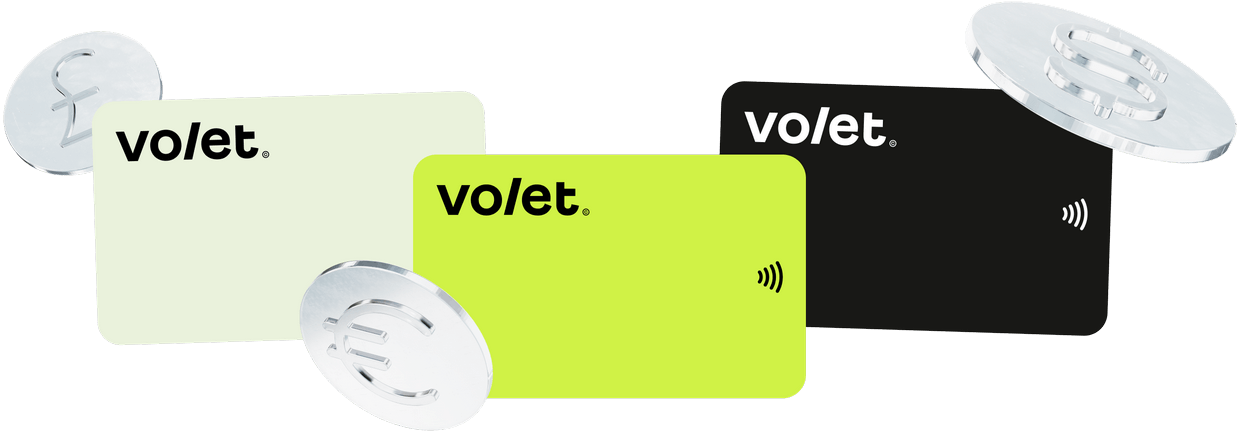

Modern money rarely stays in one lane for long. A single person might get paid by a client in one country, pay for software in another, convert between fiat and crypto, send money to a teammate, top up a card, and then use that same balance to book a flight or withdraw cash while abroad. A business might collect payments from global customers, send payouts to contractors, settle balances in multiple currencies, and still need a simple way to manage day-to-day spending. That is the environment in which products like Volet become relevant. Rather than building around one narrow financial action, Volet is positioned as a digital wallet and payment platform designed for users whose money moves often, crosses borders, and needs to stay usable at every step. According to its official site, Volet has been operating since 2014 and describes its ecosystem as serving more than 7 million worldwide users across 150+ supported countries, alongside more than 1 million monthly transactions and 10,000+ merchants.
That matters because the strongest financial products today are often not the ones that promise to replace everything. They are the ones that simplify the parts of financial life that traditional systems still make awkward. For a freelancer, that may mean receiving international payments and turning them into spendable balance quickly. For a digital nomad, it may mean carrying a global digital wallet with a virtual or physical card that works across borders. For a merchant, it may mean accepting both crypto and fiat payments while also being able to automate mass payouts. For a traveler, it may mean having one payment app that makes online purchases, in-store purchases, mobile wallet use, and cross-border access feel smoother. Volet’s official product lineup points directly at these use cases, combining e-wallet functions, prepaid cards, crypto tools, payment acceptance, hosted checkout, API access, and payout infrastructure within one platform.
That is why the title of this article matters so much. “From Freelancers to Frequent Travelers” is not just a catchy phrase. It captures the broad but connected set of users who benefit from a borderless payment wallet. The thread running through all of them is simple: they do not want their financial life broken into separate silos for earning, receiving, converting, spending, and sending. They want an all in one wallet app, a payment super app, or at least a modern digital wallet with the flexibility to do several of those things well. Volet is clearly built around that idea. Its official materials repeatedly emphasize sending and receiving funds, instant internal transfers, crypto support, cards for global spending, and business tools for both collecting money and paying it back out.
The result is a platform that can be described in several ways depending on who is using it. To one person, it is an e wallet, online wallet, or secure digital wallet. To another, it is a virtual card wallet, prepaid card wallet, or international payment app. To a crypto user, it may feel more like a fiat and crypto wallet or a crypto friendly wallet with spending features. To a business, it can look like a business payment platform, online payout platform, or cross border payment account. Those labels all point to the same underlying idea: Volet is built for users who need money to stay fluid, accessible, and useful instead of getting stuck in one format or one country.
Why Volet’s audience is broader than it first appears
At first glance, some payment products seem easy to classify. A service is either for personal finance or for business. It is either about card spending or about transfers. It is either a crypto wallet app or a fiat payment tool. Volet stands out because its official positioning does not stay inside one of those boxes. On the consumer side, it highlights free instant P2P transfers, global cards, crypto-friendly funding, online shopping, and digital wallet convenience. On the business side, it emphasizes accepting payments, mass payouts, multi-currency balances, stablecoins, and API-driven payment flows. That makes it easier to understand Volet not as a niche tool for one exact demographic, but as a smart payment wallet for people and businesses operating in modern, cross-border, internet-native ways.
This is also why Volet appeals to such varied user groups. The same core infrastructure can serve multiple kinds of people if the core problem is the same. A freelancer and a frequent traveler do not live identical financial lives, but both care about fast access to money, international usability, and flexible spending. A creator and a merchant are different too, yet both care about receiving payments, holding balances, and moving funds onward efficiently. A digital nomad and a crypto earner may come from different communities, but both benefit from a wallet that can bridge assets into real-world use through transfers and cards. The broader audience makes sense precisely because Volet’s structure is built around money movement rather than around one narrow profession.
There is another important reason the audience range feels logical. Today’s users increasingly expect the same product to handle both online and offline payments. They want to receive international payments, send money online, top up a card, tap in-store, manage subscriptions, and sometimes connect to Apple Pay or Google Pay. Volet’s official cards page says its cards can be used worldwide for ATM and POS payments, that virtual cards are issued instantly, and that some cards support Apple Pay and Google Pay. That is a strong sign that the platform is built not just for holding value but for turning digital balances into everyday payment behavior.
In other words, Volet seems built for users who do not want to choose between being “paid online” and “living offline.” They want one wallet to send and spend, one app for spending and transfers, one account for global payments, or one payment solution that can follow their life from browser to store to airport to business dashboard. That framing is what makes Volet relevant to such a wide audience—and it is also what makes the platform particularly interesting in a world where traditional banking habits no longer match how people actually earn and spend.
What Volet actually brings together
Before getting into specific audience types, it helps to understand what Volet is designed to combine. Officially, the platform positions itself around several connected functions: sending and receiving payments, instant P2P transfers between Volet wallets, support for crypto and stablecoins, virtual and plastic cards for spending, and business tools for accepting payments and automating payouts. Its site also describes a multi-currency business account that can hold USD, EUR, USDT, USDC, BTC, ETH, and other assets, showing that the platform is not limited to a single money format or a single payment rail.
On the personal side, the fees page gives a useful glimpse into the user experience because it shows that Volet supports multiple ways of taking money out of the platform. Those include local bank transfer, SWIFT, Visa or Mastercard card withdrawals, crypto withdrawals, and stablecoin withdrawals, with different fee structures attached to each. That matters because it reveals the intended design philosophy: users are not expected to leave the ecosystem in one rigid way only. They can choose the route that fits speed, convenience, geography, or preference. For many users, that is the difference between a basic e-wallet and a true international e wallet or global digital wallet.
On the card side, Volet says its cards can be ordered in virtual or plastic form, funded instantly from the e-wallet, and used worldwide. Its Digital Card page adds that the virtual Mastercard USD is issued instantly, supports global use, and carries 0% FX markup for that product, while also being ready for Apple Pay and Google Pay. Even without diving into every technical detail, the message is clear: Volet wants the path from balance to spending to feel short, direct, and app-driven.
On the business side, the scope becomes even broader. The business pages say companies can accept both crypto and fiat payments, automate payouts, manage balances, use a hosted checkout, or integrate through API. Mass payouts can be handled through dashboard, CSV/XLS uploads, or API, and the platform describes this as useful for exchanges, affiliate programs, digital platforms, and businesses paying many recipients at once. This means Volet is not merely a payment app for individuals; it is also a payment infrastructure option for businesses operating across borders.
That mix of cards, balances, transfers, crypto, and business payments is what allows Volet to suit such different users. The same toolkit can be relevant to a sole trader who needs a wallet with virtual Mastercard access, a remote team that needs contractor payouts, or a merchant that needs a hosted checkout and payout capabilities. Once you understand that integrated structure, the audience fit becomes much easier to see.
Freelancers who need speed, flexibility, and real-world usability
Freelancers are one of the most obvious user groups for Volet, and for good reason. Independent workers rarely have clean, predictable, local-only financial flows. They may be paid by one client through a transfer, by another through a platform, and by another in crypto or stablecoins. They may need to receive international payments online, send money to collaborators, pay for software tools, settle subscriptions, and spend for daily life—all without waiting through slow banking processes each time. Volet’s own homepage explicitly references users getting paid by employers, affiliate programs, and CPA networks, while its blog discusses using the wallet after being paid and choosing the most suitable way to spend. That signals a product designed with online earners in mind.
For freelancers, one of the biggest advantages of a strong digital payment wallet is not just receipt of funds but the speed of conversion from “paid” to “usable.” A freelance developer, designer, consultant, translator, marketer, or video editor often does not want income sitting in limbo. They want to pay for tools, move money to savings, pay bills, or spend immediately. Volet’s card architecture addresses exactly that pain point by letting users order virtual or plastic cards and load them instantly from the e-wallet. If the user’s balance is already inside the system, the gap between receiving money and spending money can be much shorter than in more fragmented payment chains.
This matters especially for international freelancers. A wallet for international freelancers has to be flexible because not every client relationship is the same. One project may require a local bank withdrawal. Another may be easier to handle through card withdrawal. Another may start in crypto and need to end in fiat. Volet’s personal fee structure reflects that kind of flexibility. It lists withdrawals to local bank transfer from 1%, SWIFT at 1% + 25 USD, Visa/Mastercard card withdrawals at 4.5% + 3 in USD or EUR, and stablecoin withdrawals from 0.5% plus network fee. That spread of options shows that Volet is built less like a one-path system and more like a practical online wallet with debit card and transfer capabilities for users whose needs change case by case.
There is also a strong psychological appeal here. Freelancers often dislike the feeling that their money is technically theirs but operationally stuck. They may get paid on paper but still be waiting for access. A payment solution for freelancers works best when it reduces that waiting. Volet’s instant virtual card issuance and wallet-funded card loads give users a way to turn an online balance into buying power quickly. For a self-employed professional paying monthly software subscriptions, booking travel, buying ads, or covering ordinary living costs, that can make a big difference.
That is also why Volet can appeal to people searching for a PayPal alternative wallet, a Skrill alternative, a Neteller alternative, or a Wise alternative for payments. The comparison is not about claiming that every feature matches those services one-for-one. It is about solving a familiar user problem in a broader way. Many freelancers want a secure online wallet that lets them receive payments, manage balances, spend with a card, and stay internationally mobile. Volet’s current structure lines up closely with that kind of demand.
Freelancers who work in crypto-adjacent industries may find the fit even stronger. A lot of independent professionals today are paid in stablecoins or crypto because it is fast, borderless, and convenient for the payer. But receiving digital assets is only half the challenge. The real question is how easily those assets become daily utility. Volet’s cards page says many users load funds to their cards from fiat e-wallet balances that were topped up via crypto or stablecoins, creating a simple path from digital assets to real-world spending. For freelancers who live between web-native income and offline expenses, that is a highly practical proposition.
So when people describe a wallet for freelancers, a payment solution for remote workers, or a wallet for digital creators, they are often describing the same need from slightly different angles. They want a digital wallet for daily spending, a place to receive international payments, and a method for turning incoming earnings into usable money fast. That is exactly where Volet appears strongest for freelancers: not just as a place to receive money, but as a place from which money can actually move.
Remote workers and digital nomads who live across borders
Remote workers and digital nomads are another natural audience for Volet because their financial life is shaped by movement as much as by income. They may work for companies in one country, live temporarily in another, travel through several more, and pay for daily expenses, coworking, software, transportation, and accommodation through a mix of online and offline channels. They do not necessarily want a full replacement for every local banking service. What they often want is a borderless payment wallet, a multi currency wallet, or a travel payment app that follows them wherever they go. Volet’s product structure points directly to that use case.
One reason the fit is so strong is that digital nomads often operate in more than one money system at once. They may be paid by employer transfer, by contract invoice, by platform earnings, or in stablecoins. They may need to top up a spending card, send a quick P2P transfer, or withdraw to a local bank depending on where they are. Volet’s official pages emphasize instant P2P transfers, crypto compatibility, fiat balances, and multiple withdrawal options, which makes it feel like a wallet for digital nomads rather than a product tied to one rigid domestic payment routine.
The card experience matters enormously here. A travel card with app controls or an international spending wallet is only useful if the card itself is easy to access and use. Volet states that its virtual cards are issued instantly and that its cards can be used worldwide for ATM and POS transactions. Some cards also support Apple Pay and Google Pay. For a person crossing borders regularly, that combination is valuable because it reduces the dependence on local branch access or slow physical card processes. A user can manage their spending balance inside the app and move to real-world payment activity quickly.
There is also a practical lifestyle advantage to combining cards with a wallet balance. A digital nomad may not want every expense to hit a traditional bank account directly. Many prefer a prepaid travel wallet or digital alternative to a bank account for discretionary spending, subscriptions, travel costs, and day-to-day purchases. Because Volet cards are funded from the wallet, users can decide how much to load and when, which gives them a cleaner sense of spending control. That makes the platform feel useful not only as a wallet for cross border living but also as a wallet for everyday spending abroad.
Another reason Volet suits nomads is the crypto-to-lifestyle bridge. A growing share of remote workers, especially in tech, marketing, online services, and Web3-related work, are paid in USDT, USDC, BTC, ETH, or similar assets. Volet’s official card pages explicitly describe using crypto or stablecoins to top up the fiat wallet and then load a card. Its crypto pages also show support for buying popular assets and moving crypto to outside wallets, reinforcing the platform’s crypto-friendly identity. For nomads who earn part of their income in digital assets but spend in the ordinary world, that bridge is a major advantage.
That said, a serious international wallet should also be clear about regional nuance. Volet’s cards page states that availability depends on the specific card program: the Global Digital Mastercard is available in 150+ countries, APAC plastic cards are for the APAC region, and Europe cards are available across Europe, Turkey, and Israel. That means Volet is broad in reach, but not identical in every location. For digital nomads, that is not a drawback so much as a reminder that good international payment planning always depends on current regional availability.
When all of this comes together, Volet reads like a wallet for remote workers, a wallet for digital nomads, and a digital wallet for living abroad all at once. It helps users hold balances, manage different payment routes, tap into mobile wallet compatibility where available, and move from online earnings to offline spending without so many separate tools. For people whose life is geographically mobile and financially layered, that is exactly the kind of platform that stands out.
Frequent travelers who want practical global spending
Frequent travelers are often misunderstood by payment platforms. Some providers market to them as though every traveler is chasing luxury perks, airline status, or premium credit-card prestige. But many travelers want something simpler and more practical. They want a global wallet with prepaid Mastercard or Visa-style convenience, an app for paying in different countries, an online and offline payment wallet, and a card that supports both travel bookings and everyday spending. Volet’s cards and wallet structure make it especially relevant for that kind of user.
For travelers, the first question is usually access. Can I get a card quickly? Can I manage it inside the app? Can I use it for hotel bookings, transport, dining, shopping, and cash withdrawals? Volet’s official cards page says virtual cards are issued instantly, plastic cards can be delivered depending on region, and the cards can be used worldwide for ATM and POS payments. That combination makes Volet attractive as an international prepaid card, worldwide spending card, travel wallet with cash withdrawal option, and payment account for travelers who need utility more than ceremony.
The second question is spending convenience. Travelers today expect to pay online and in person with the same tool. They may want to book flights and hotels one minute and tap at a café the next. Volet’s Digital Card page says its virtual card supports global use and is ready for Apple Pay and Google Pay. That means the platform is not limited to old-style web-only checkout behavior. It aligns with how modern travelers actually spend—through phones, virtual cards, subscriptions, and app-managed balances.
A third issue is currency friction. Travelers usually want a wallet for foreign transactions or a payment app with currency exchange that reduces unnecessary hassle. Volet’s Digital Card page highlights 0% FX markup for that virtual card product, which is especially attractive to users who want to spend internationally without feeling punished every time they cross a border. At the same time, the wallet structure itself gives users more control over how they fund and manage their balance before they spend.
Security becomes even more important when travel enters the picture. A traveler may log in from multiple countries, move between devices, connect to unfamiliar networks, and still expect a payment app to protect them intelligently. Volet’s support materials describe layered security including two-factor authentication, rotating one-time passwords, IP binding, environment monitoring, and behavior-based checks that pause suspicious actions until confirmed. For travelers, that kind of design is not just an add-on. It is central to whether a wallet feels trustworthy on the road.
This is why Volet can make sense as a travel card with app functionality, a secure travel card app, or a digital wallet for tourists and expats. It is not trying to be only a travel brand. Instead, it provides the tools that travelers happen to need most: fast card access, global usability, app-based management, multiple funding routes, and compatibility with an internationally mobile lifestyle. That makes it appealing to business travelers, vacation spenders, remote workers on the move, and anyone who wants a best e wallet for international use experience centered on practicality.
Crypto earners and stablecoin users who want to spend, not just hold
Crypto users are often offered products that stop one step too early. A platform helps them buy or store digital assets, but leaves the rest of life to someone else. That can work for investors, but it is less helpful for people who actually use crypto as part of their income or working capital. Volet’s structure is more interesting because it consistently emphasizes the bridge between crypto, fiat, and spending. Its pages describe crypto-friendly wallet functions, crypto and stablecoin support, and cards that many users fund from fiat balances topped up through crypto. In other words, it aims to make digital assets usable, not merely visible.
This matters most for users who are paid in stablecoins or who keep part of their working capital in crypto. They may be contractors receiving USDT, creators paid through global channels, or entrepreneurs operating in regions where crypto is a faster cross-border tool than legacy rails. A pure crypto wallet may help them receive funds, but it does not always help them buy groceries, book travel, pay for SaaS tools, or cover business expenses. Volet’s card system turns that bridge into part of the product itself. The platform explicitly says that depositing via BTC and then loading USD or EUR to the card creates the same basic user experience people associate with a bitcoin debit card, while offering flexibility in how funds are managed.
Volet’s crypto page also supports the picture of a wallet built for active users rather than passive holders. It says users can buy popular assets quickly and send them to outside wallets, with support for assets like BTC, ETH, LTC, XRP, BNB, TON, TRX, USDC, USDT, EURC, SOL, POL, and AVAX. That kind of range reinforces the platform’s identity as a crypto wallet app and fiat wallet hybrid that can sit between Web3-style assets and everyday financial needs.
For stablecoin users specifically, the attraction is obvious. Stablecoins are popular because they are practical for transfers and settlement, but people still need to convert that value into day-to-day utility. Volet’s fee pages show payouts and withdrawals in stablecoins and crypto alongside fiat wallet and card routes, while the business pages highlight stablecoins as part of global company operations. That means the same platform can serve a freelancer receiving stablecoins, a traveler spending from converted balances, and a business sending stablecoin-based payouts to a distributed workforce.
This makes Volet especially relevant to users looking for terms like crypto friendly wallet, crypto payment wallet, virtual crypto card, bitcoin wallet with card, spend crypto worldwide, stablecoin wallet, or crypto to fiat wallet app. Those phrases all describe the same core desire: not to leave digital assets trapped inside a purely digital context. Volet’s official positioning suggests that it is built for exactly that kind of user—someone who wants to receive crypto, move it, convert it, and then use it in the ordinary economy through transfers and cards.
Creators, affiliate marketers, publishers, and other online earners
Volet’s audience also includes a large category of internet-native earners whose income does not fit traditional payroll patterns. These are creators, affiliate marketers, publishers, media buyers, performance marketers, and similar users who receive funds from digital platforms, referrals, partner programs, campaigns, and online ecosystems. Volet’s homepage explicitly references affiliate programs and CPA network payouts, while its business pages discuss payouts to affiliates, partners, creators, and customers. That language strongly suggests a product built for online earnings flows rather than for old-fashioned salary-only assumptions.
For this group, the key issue is not only receiving money but cycling it back into work. A creator may receive a payout and then immediately need to spend on editing tools, ads, travel, software, or personal costs. An affiliate marketer may move money into ad spend or contractor support. A publisher may need to pay contributors or transfer funds across accounts. That makes the combination of receiving, holding, sending, withdrawing, and card spending particularly valuable. Volet’s product mix gives these users several ways to keep money moving instead of leaving it trapped in a payout-only endpoint.
The card layer is especially powerful for online earners because so much of their spending is digital-first. They may need a virtual card for online purchases, a card for subscription tools, a digital card for recurring payments, or a virtual card for business expenses. Volet’s instant virtual card issuance and app-managed structure make that proposition especially relevant. The platform’s Digital Card page also frames the card as useful for travel, luxury shopping, healthcare, and broad everyday spending, which reinforces that the card is designed as a general-use payment tool, not a narrow niche instrument.
There is also a growth story here. Many creators and affiliate marketers start as individuals and become businesses over time. They begin as a single wallet for creators, but later need partner payouts, contractor payments, ad-spend management, or platform integrations. Volet’s business-facing tools give that evolution room to happen. A user can begin with personal wallet and card functionality, then move into business payments, hosted checkout, or mass payouts as their operations become more complex. That continuity is a major advantage for people whose business model changes faster than traditional financial infrastructure does.
That is why Volet fits so well into the world of digital creators and online entrepreneurs. It does not treat online earnings as an edge case. It treats them as a normal, primary starting point. For creators, publishers, affiliates, and internet-native sellers, that is often the difference between a service that merely accepts their income and a service that is actually built around how they live.
Agencies, small businesses, startups, and distributed teams
Volet’s appeal becomes even clearer when you move from individuals to businesses. Modern agencies, startups, and small online businesses do not simply need a bank account. They need an operational payment layer. They may collect money from customers in more than one format, pay freelancers and contractors across different countries, manage balances in more than one currency, and need to keep those flows visible inside one system. Volet’s business pages speak directly to that reality. The company describes its business offering as a unified platform combining crypto and fiat tools in one account, allowing companies to accept payments, manage multi-currency balances, automate payouts, and run global operations without relying on multiple fragmented providers.
This makes Volet highly relevant as a business payment platform, borderless business account, global expense management wallet, or digital wallet for SMEs. Agencies with remote contractors can use it for payouts. SaaS founders can use it for collections and vendor payments. Startups with international teams can use it as a global transfer and card app rather than stringing together multiple separate services. The value comes not just from having many features, but from keeping those features connected inside a single financial workflow.
The contractor-payment use case is especially strong. Volet’s international contractor payment page says businesses can pay creators, freelancers, and partners in multiple countries from one account with predictable fees, without dealing with regional banking issues, local account setups, or delayed transfers. For agencies and remote-first companies, that is one of the hardest operational problems to solve well. The more global a team becomes, the less useful local-only payment assumptions become. A wallet for contractor payouts or a payout solution for remote employees has to meet people where they are. Volet appears designed to do exactly that.
Pricing supports that operational use case too. On its business fees page, Volet lists payouts to Volet wallets from 0.5%, payouts to Visa/Mastercard cards from 2.5%, and payouts to crypto or stablecoins from 0.25%. The ability to choose among those rails is important for businesses because recipients do not all want the same thing. Some may prefer a wallet balance, some a card payout, some crypto, and some stablecoins. A business payment solution becomes much more useful when it can adapt to recipient preferences without forcing the company to run four different payout systems.
Another appealing aspect is speed of setup. Volet’s business pages emphasize no setup or monthly fees for certain tools, fast-track onboarding, and going live in 24 hours or less after verification. That can make a big difference for smaller businesses or startups that want to launch international payment operations without long enterprise implementation cycles. Many lean companies are not looking for the most elaborate treasury platform in the world. They want a business wallet for international payments that is simple enough to start using and flexible enough to grow with them.
For startups and agencies, Volet can also serve as a practical alternative to more conventional online banking setups. Not because it replaces every possible banking feature, but because it addresses the most urgent payment needs: accepting, storing, paying out, converting, and spending across borders. That is why it resonates as a fintech alternative to banks, an online account for international transfers, or a digital business wallet alternative for globally operating small companies.
Merchants, marketplaces, and platforms that need both collections and payouts
One of Volet’s most business-critical audiences is merchants and digital platforms. Many payment providers specialize in either incoming payments or outgoing disbursements, but not both. Volet is interesting because it clearly tries to cover both sides of the transaction cycle. Its business pages say companies can accept e-wallet and crypto payments, manage balances, and automate mass payouts. Its developer tools include hosted checkout, CMS plugins, and API access, showing that the platform is meant not only for manual business use but also for integration into websites, services, marketplaces, and software products.
This makes Volet well suited to online merchants, marketplaces, CPA networks, affiliate programs, creator platforms, exchanges, and SaaS businesses. These businesses often need to collect funds from one side of the market and distribute them to another. A marketplace may accept payments from buyers and then pay sellers. An affiliate platform may receive revenue and then disburse commissions. A creator platform may collect subscriptions or ad revenue and then send payouts to talent. Volet’s mass payouts page explicitly frames its tools around that kind of operational model, including API and file-based payout automation for high-volume use.
Its hosted checkout and API tools strengthen that use case further. The hosted checkout page describes a simple process for setting up payment tools, including a web-view option for mobile or Telegram app use and plugins for CMS users who want to accept payments quickly. The API page describes a payment gateway API for accepting crypto payments, automating payouts, managing balances, and building custom payment flows, with no setup or monthly fees and free API calls. For businesses that want a payment gateway alternative wallet or a payment infrastructure wallet rather than a rigid out-of-the-box processor only, that flexibility is extremely attractive.
The business appeal becomes even stronger when you factor in asset diversity. Volet’s business pages say companies can accept both crypto and fiat payment flows in one system and settle in fiat if needed. For digital businesses serving international customers, this can reduce the separation between newer payment methods and traditional operational finance. Instead of treating crypto as a side experiment and fiat as the “real” system, Volet positions them as part of the same payment account. That is useful for merchants who want global reach without multiplying their reconciliation headaches.
For platforms handling large payout volumes, Volet’s mass payouts page claims that blockchain transactions can be parallelized so thousands of payouts complete in minutes. That operational emphasis is a major clue about intended audience. This is not only a wallet for individuals making the occasional transfer. It is also infrastructure for businesses with serious transaction flow, recurring payout needs, and distributed recipient networks.
Why cards are central to Volet’s appeal
Even though Volet has wide functionality, the card layer is one of the clearest reasons its audience spans so many lifestyles. Cards are where digital balances become everyday behavior. A user can hold funds, receive funds, or convert funds inside many systems. But until those funds are easy to spend, the product remains abstract. Volet’s official card offering addresses that final step head-on through virtual and plastic cards, instant wallet funding, mobile wallet compatibility for some cards, and worldwide usage.
For freelancers, the card means fast access after getting paid. For travelers, it means hotel bookings, transportation, cash access, and in-store use. For digital nomads, it means carrying a flexible spending tool across countries. For crypto users, it means turning digital assets into ordinary purchasing power. For business users, it means potential use as a business wallet with cards, an expense card layer, or simply a more flexible spending endpoint than traditional transfers alone. The same card infrastructure supports all of those audiences because they all need the same thing at the last mile: usable, controlled, modern payment access.
The instant issuance of virtual cards is especially important in a digital-first economy. People increasingly expect to create virtual cards instantly for online purchases, subscriptions, travel bookings, or business expenses. Volet’s official pages say virtual cards are issued instantly, which makes the platform especially relevant to users seeking an instant virtual card, virtual payment card app, or instantly issued virtual card for quick deployment. In a world where financial urgency is often measured in minutes, not in mailed envelopes, that is a major strength.
The ability to use some cards with Apple Pay and Google Pay also pushes Volet beyond the old image of a basic prepaid card wallet. It becomes more aligned with mobile-first finance and everyday tap-to-pay behavior. For many users, that is the difference between a product that is merely functional and one that truly fits their daily habits.
Security, trust, and control for users moving money internationally
A wallet built for cross-border use cannot rely on convenience alone. The more internationally active the user becomes, the more they need visible security controls. Volet’s official support materials emphasize this heavily. They describe two-factor authentication using messenger or authenticator options, one-time passwords that refresh every 60 seconds, payment passwords, IP address binding, intelligent environment monitoring, and real-time behavioral checks that can stop activity until the user confirms it. That is the kind of layered security design that matters when users are logging in from different devices, traveling across countries, or managing business payments under time pressure.
This is relevant across nearly all of Volet’s target audiences. Freelancers need a secure payment app with 2FA because client payments matter. Travelers need a safe digital wallet for online shoppers and overseas spenders because location changes introduce more uncertainty. Businesses need a verified payment wallet because operational flows and payouts create greater exposure. Crypto users need a trusted crypto friendly wallet because the line between digital assets and spendable funds can become especially sensitive. Security is not a side benefit here. It is part of what makes the broader payment proposition credible.
Support availability reinforces that trust. Volet’s cards page highlights 24/7 live support and frames it as real people offering real help. In fast-moving payment contexts, that matters. A platform can have great features, but if a user cannot get help when a transaction, card, or access issue appears, the experience quickly breaks down. For an international payment app or global debit card app, responsive support is part of usability, not an optional extra.
Who Volet seems to fit best
When all the pieces are put together, a fairly clear picture emerges. Volet seems best suited to people and businesses whose financial life involves some combination of international movement, online earnings, multiple payout rails, card-based spending, crypto compatibility, or recurring cross-border operations. It fits users who want a modern wallet for global payments more than users who want a classic local bank relationship. It fits users who care about receiving and spending across borders more than users who need deep domestic lending products or branch-led service.
That means the strongest audience fit likely includes freelancers, digital nomads, frequent travelers, creators, affiliate marketers, remote workers, startups, agencies, merchants, and platforms with payout needs. These groups all benefit from the same broad advantages: one place to receive value, hold value, move value, and turn value into practical spending power. The exact mix will vary by user, but the pattern is consistent. Volet is built for movement.
Who may want to look more carefully before choosing it
That broad fit does not mean the platform is identical for every use case or every geography. Volet’s official materials make it clear that some card programs are region-specific, and availability depends on the card type and country. Users considering it as a best international wallet, best prepaid card for crypto, or international debit card alternative should review current regional eligibility and product availability rather than assuming all features are universal everywhere.
The platform is also most compelling when the user genuinely needs its mix of flexibility. Someone who only wants a simple domestic bank account equivalent and has no interest in cards, international transfers, crypto compatibility, or payout functionality may not benefit from everything Volet offers. By contrast, users with layered, border-crossing payment behavior are much more likely to see the full value of the platform.
Pricing should also be read in context. Volet offers multiple routes, but not all routes are priced the same. Local bank withdrawals, card withdrawals, crypto withdrawals, stablecoin withdrawals, and business payouts each carry different fee structures. That is not unusual for a modern payment platform, but it does mean the best usage pattern depends on what the user is optimizing for—speed, geography, convenience, or cost. The users who get the most from Volet are likely the ones who appreciate having choices and can select the right rail for the right situation.
The bigger reason Volet stands out
What makes Volet interesting is not simply that it offers many features. Plenty of financial products claim that. What matters is that its features line up around a coherent view of modern money. The platform assumes that users may earn online, hold balances digitally, work internationally, operate across fiat and crypto, spend through cards, and need to move money in more than one direction. That assumption is closer to reality for many people than the older model of one local paycheck flowing into one local account for one local life.
That is why the audience range feels so natural. Freelancers need flexible receipt and spending tools. Travelers need worldwide usability. Digital nomads need portability. Crypto users need an off-ramp into daily life. Creators and affiliates need payout utility. Businesses need payment acceptance plus distribution. These are not random markets stitched together for marketing effect. They are overlapping versions of the same modern financial reality. Volet appears built specifically for that overlap.
Conclusion: A wallet built for people whose money needs to keep moving
Volet makes the most sense when you stop thinking about payments as isolated tasks and start thinking about them as a connected flow. Today, people want to receive international payments, send money abroad, hold multiple currencies online, convert between crypto and fiat, create virtual cards instantly, pay in stores worldwide, fund travel, manage subscriptions, and support business operations from one environment. Businesses want to accept payments globally, automate payouts, manage balances, and integrate those flows into their own products. Volet is designed around that connected reality. Its official platform positioning, card ecosystem, personal withdrawal options, business account tools, hosted checkout, API access, and payout infrastructure all point in the same direction: this is a digital wallet and payment platform for people who need money to stay active, portable, and useful across borders.
That is why Volet feels relevant to such a wide group of users. It can function as a wallet for freelancers, a wallet for remote workers, a wallet for digital nomads, a travel payment card solution, a crypto friendly wallet, a payout wallet for creators, a business payment platform for startups, and a cross border payment account for merchants. Not every user will need every feature, but the platform is built so that the same ecosystem can serve them as their needs evolve. A freelancer can become a small agency. A creator can become a platform. A traveler can become a long-term expat. A side business can become a global operation. Volet’s strongest advantage is that it is built for that motion, not against it.
In a world where people are increasingly looking for a secure digital wallet, an online wallet with debit card features, a multi currency payment app, a borderless e wallet, or an alternative to traditional banking for international use, Volet stands out by combining several of those needs into one system. It is not merely about storing value. It is about making value usable. And for the audiences that matter most here—from freelancers to frequent travelers—that is exactly the point.