The way people earn, move, and spend money has changed faster than the way most financial tools are built. Today, income does not always begin with a local paycheck landing in a traditional bank account. It may start with a freelance invoice paid from abroad, a marketplace payout, affiliate earnings, creator revenue, a contractor payment, a cross-border transfer, or a crypto balance that needs to become usable in the real world. The challenge is no longer only how to receive funds. The bigger challenge is how to make those funds practical for everyday life. People want to send money online, receive money online, exchange currencies, hold fiat and crypto in one place, and then actually use that value for ordinary purchases, travel spending, subscriptions, bills, and in-store payments. That is the real problem a modern digital wallet has to solve, and it is the reason the connection between virtual cards and physical cards matters so much.
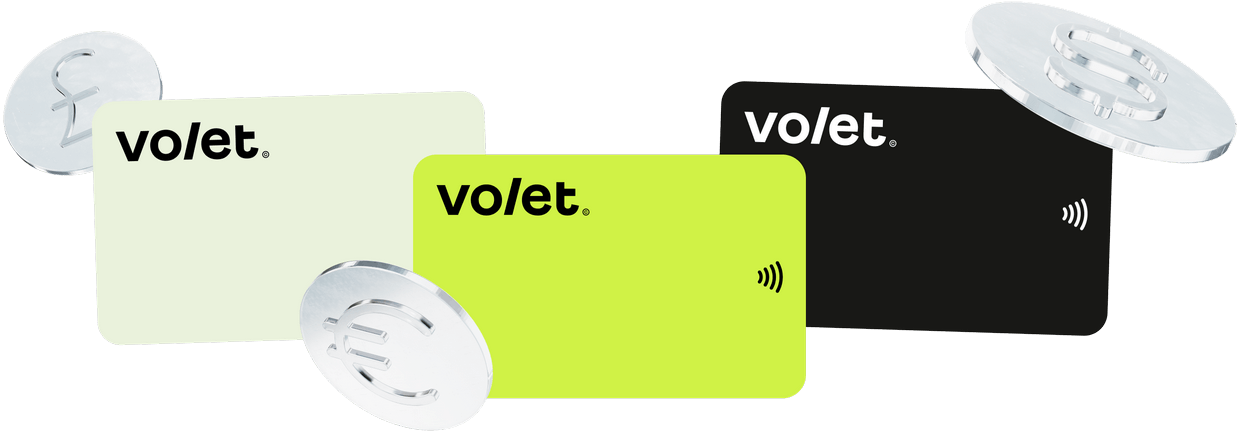
Volet is built around that exact bridge between digital balances and real-world use. Its platform combines an e wallet, crypto features, instant peer-to-peer transfers, virtual cards, plastic cards, business payments, and multi-currency functionality in one broader ecosystem. Rather than treating storage, transfers, exchange, and spending as separate jobs for separate apps, Volet presents them as parts of one continuous money flow. Users can receive funds, manage balances, move money internally or externally, top up a card from the wallet, and spend online or offline. That is what makes the phrase “virtual to physical” so relevant here. It is not just about having a card. It is about turning online money into something immediately useful in daily life.
For SEO purposes, that puts Volet in the middle of several high-intent searches at once. It speaks to people looking for a secure digital wallet, a multi currency wallet, an online wallet with debit card functionality, a crypto friendly wallet, a wallet with virtual card, a wallet with physical card, a fast money transfer app, an alternative to PayPal for international payments, or a borderless payment wallet for travel and remote work. The reason those searches overlap is simple: users do not think in product categories anymore. They think in outcomes. They want one app that helps them hold money, move money, and spend money wherever life happens. Volet’s card ecosystem matters because it turns digital balances into offline buying power, and that makes the whole wallet more than a place where value simply sits on a screen.
Why the Gap Between Online Money and Offline Spending Still Matters
People often talk about digital payments as though the whole problem has already been solved. In reality, only part of it has been solved. It is easier than ever to get paid online. It is easier than ever to receive crypto, accept a remote client payment, collect business revenue, or receive funds from a platform. But having a balance in an online account is not the same as having truly flexible money. That balance still has to become useful at checkout, in transit, during travel, inside subscription ecosystems, and in day-to-day retail settings. Until that happens smoothly, the user still feels friction.
This is where many older financial products begin to feel fragmented. One app may be good for receiving funds, another for currency exchange, another for crypto, another for transfers, and yet another for card spending. That fragmentation costs time and often adds complexity precisely when people want the opposite. A strong e-wallet is not only about storing funds securely. It is also about reducing the number of steps between receiving value and using it. The better that bridge is, the more the wallet begins to feel like an everyday financial tool instead of a temporary stop on the way to somewhere else.
Volet’s model is built around closing that gap. Its core pages emphasize sending and receiving payments in fiat and crypto, moving funds instantly between wallets, using cards for spending, and supporting both personal and business users. That means the product is not positioned as a single-purpose crypto wallet, a single-purpose card issuer, or only a transfer service. It is positioned as a broader money movement platform. Once you understand that, the role of Volet cards becomes much clearer. The virtual and physical card options are not side features. They are the practical tools that let online funds behave like everyday money.
What Volet Is Really Offering in One Ecosystem
At the center of Volet’s appeal is the fact that it tries to connect multiple financial needs inside one account. The wallet supports fiat functionality and also crypto activity, including storing, sending, receiving, buying, and selling digital assets. Its public crypto material highlights support for well-known assets and stablecoins, while the broader wallet messaging focuses on payments, transfers, and account-based spending. That matters because many users now live in hybrid financial environments. They may receive salary-like income in fiat, side income in crypto, and business payouts through online payment channels, all within the same month. A wallet that can only do one of those things no longer feels complete.
Volet’s card flow is designed to plug directly into that hybrid structure. According to its cards page, cards are topped up instantly from the Volet fiat e-wallet, and many users fund that wallet through crypto or stablecoins before loading the card. Virtual cards are issued instantly, while plastic cards can be delivered through regional card programs depending on availability. The result is a layered workflow: receive or fund money into the wallet, exchange or manage it there, move USD or EUR to the card, and then spend online or offline. This is what turns the platform into something more than a digital balance manager. It becomes a digital payment wallet with a real endpoint in ordinary spending.
The business side reinforces that same logic. Volet describes its business offering as a unified platform for crypto and fiat payments, multi-currency balances, automated payouts, and global operations. For individual users, that means the same infrastructure serving businesses can also power the incoming side of their own financial life. A remote worker might receive money through a company using global payouts. A contractor might get paid in stablecoins. A publisher might receive funds from partner programs. Once that money lands in Volet, the card is what completes the loop from receiving to spending.
The Virtual Card: Fast Access to Spendable Money
The virtual card is often the first moment a digital wallet starts to feel truly useful. That is because it removes waiting time. Instead of receiving funds and then pausing while you decide how to move them elsewhere, an instant virtual card lets you begin spending almost immediately. Volet says its virtual cards are issued instantly, which makes them valuable for people whose expenses are also digital and immediate. This includes online shopping, subscriptions, software renewals, business tools, app purchases, travel bookings, remote work expenses, and recurring online bills.
This is especially important in online-first lifestyles. A freelancer paid today may need to pay for cloud software today. A media buyer may need a virtual card for ad spend. An entrepreneur may need to renew a domain, pay for hosting, or load a subscription platform. A digital creator may need to pay for editing tools or collaboration software before the day is over. In those situations, the best virtual card wallet is not just a convenience feature. It is a business enabler. It cuts the gap between cash flow and operational action. Volet’s instant-issue card model is designed for exactly that kind of speed.
The virtual card also fits the security mindset of modern spending. Many users prefer not to expose their primary balance directly every time they pay online. A virtual card for online purchases creates a more controlled payment layer between the wallet and the merchant. That matters for anyone looking for a safer online payment card, a secure virtual card for shopping, or a card app with stronger spending controls. Volet’s broader security positioning, including 2FA and additional account-protection features, makes the virtual card even more compelling because it sits inside a system that is clearly designed around controlled access and transaction security.
Why the Physical Card Still Matters in a Digital-First World
It is easy to overestimate how virtual the world has become. In practice, there are still many places where a plastic card remains extremely useful. Travelers need it. People shopping in person need it. People who occasionally need ATM cash access need it. Users navigating countries, airports, hotels, taxis, restaurants, events, and retail counters still benefit from something they can tap, insert, or carry as a backup. That is why a wallet with physical card functionality still matters even when a virtual card exists.
Volet offers plastic card programs alongside its virtual options, and its cards page states that once the card is loaded from the e-wallet, it can be used for online and offline spending. It also notes that plastic cards can be delivered through standard or express shipping depending on region and program. Availability varies: the global digital Mastercard is described as available in 150+ countries, while some plastic or regional cards are aimed at Europe, APAC, Turkey, and Israel. This region-specific structure shows that Volet is not pretending all users are served identically. Instead, it is building a card ecosystem with different rails for different markets, which is often what real international usability looks like.
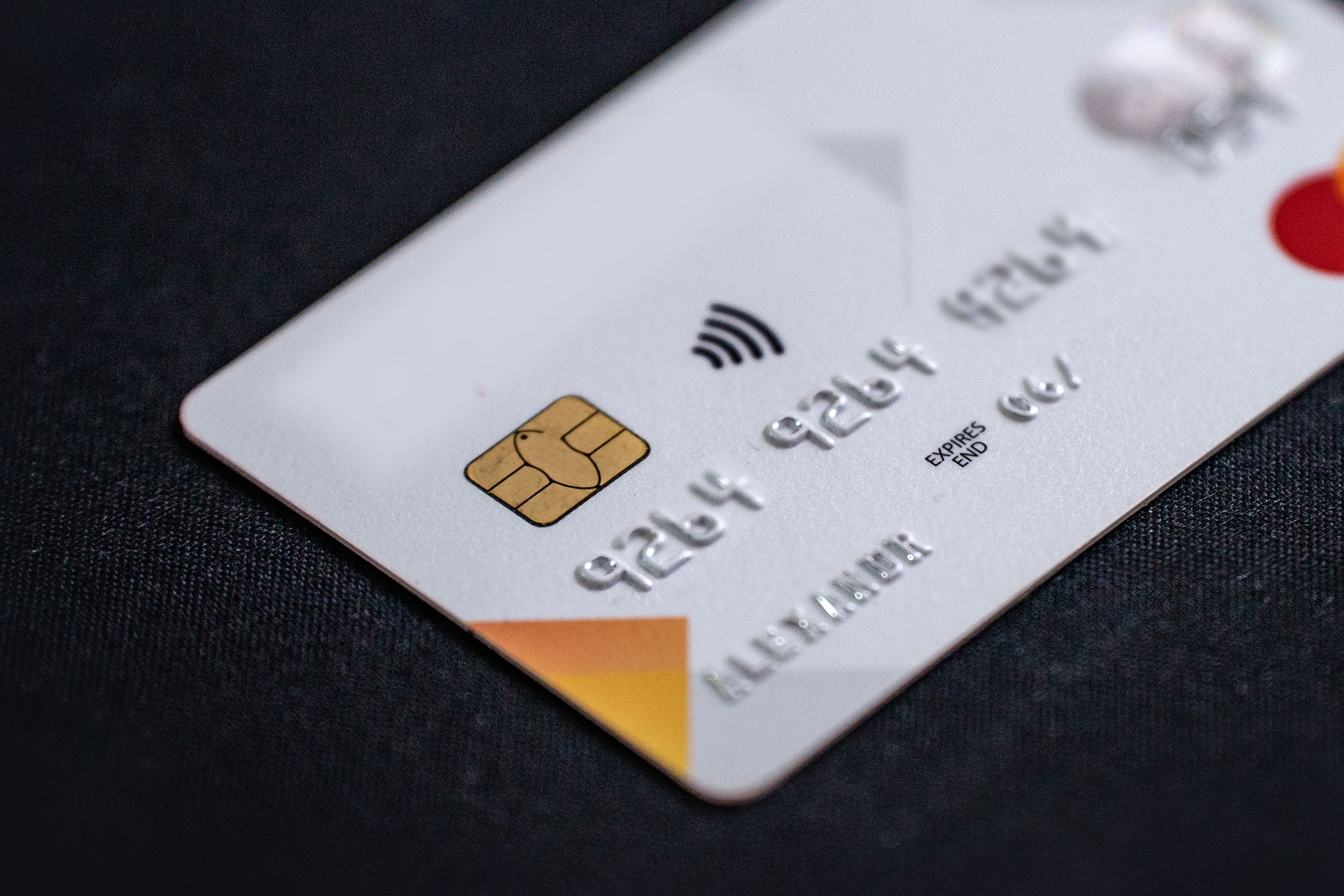
For users, the practical benefit is straightforward. The plastic card turns a digital account into something that works more naturally in physical life. That is a major advantage for anyone searching for a travel payment card, a reloadable prepaid card, a physical spending card for online wallet balances, or a global cash access card. A digital wallet becomes much more convincing when it is not trapped in the digital layer. The plastic card is what lets Volet cross into the offline world where daily financial decisions still happen.
How Volet Turns Digital Balances Into Card-Ready Spending Power
The most important thing about Volet cards is not simply that they exist. It is how they are funded. Volet states that card top-ups are made from the Volet fiat e-wallet. That means the wallet acts as the central control point. Users can fund the wallet through available channels, keep money there, manage it, exchange it if needed, and then move the amount they want into card-ready form. This makes the card part of a broader money-management process instead of a disconnected product.
That architecture has several advantages. First, it creates clarity. Your wallet is where value is stored and organized. Your card is where selected value becomes spendable. Second, it supports flexibility. If funds come in through bank transfer, internal P2P movement, business payouts, crypto, or stablecoins, they still end up inside a central account structure before spending. Third, it supports control. Users can decide when to move money from wallet balance to card balance, which can feel more intentional than having every incoming transfer immediately tied to a single payment instrument.
From an SEO perspective, this is why Volet fits so many search patterns at once: wallet to send and spend, online wallet with payment cards, digital wallet with balance, prepaid card wallet, and all-in-one payment app. The key idea is not only “use a card.” It is “use a card that sits inside a wider financial flow.” That is what makes the system attractive for people who manage international income, travel money, crypto balances, or distributed work expenses. The card is not the product by itself. It is the spending edge of a larger wallet system.
Fiat and Crypto in One Practical Workflow
Volet’s crypto support is one of the clearest reasons it stands out as more than a standard online wallet. The platform highlights the ability to buy crypto, send and receive digital assets, and manage crypto alongside fiat within the same ecosystem. That matters because a large part of modern online income does not arrive only through ordinary bank rails. It may arrive in stablecoins, digital assets, or partner ecosystems that interact more naturally with crypto than with legacy banking. A crypto friendly wallet becomes far more practical when it does not end at storage. It becomes even more useful when it supports a route into everyday spending.
Volet’s own cards materials describe that route clearly: many users choose the cards for crypto spending by topping up the fiat e-wallet with crypto or stablecoins and then loading the card. In practical terms, that means Volet is not marketing the card as a direct on-chain spend button. Instead, it is offering a cleaner path from crypto or stablecoin balances into fiat-denominated card spending. That distinction matters because it gives users a more understandable workflow. It is easier to manage spending when the wallet acts as the conversion and control layer.
This is why Volet aligns so well with search intent around crypto debit card, virtual crypto card, bitcoin spending card, stablecoin wallet, crypto to fiat wallet app, spend USDT with card, and crypto cashout wallet. The attraction is not just that crypto exists inside the account. The attraction is that crypto can be turned into normal spending power without leaving the broader wallet environment. For users who earn in digital assets or want a practical crypto off-ramp for travel, bills, or daily purchases, that is a meaningful difference.
Multi-Currency Convenience for Travel, Cross-Border Life, and Global Spending
Multi-currency functionality matters because more people now live financially across borders even if they do not move permanently. They travel, study abroad, work remotely, bill overseas clients, support relatives in another country, or subscribe to services priced in foreign currencies. In that environment, a wallet that only makes sense domestically can feel limiting very quickly. A real international e wallet needs to do more than hold funds. It needs to support spending in different places, with different currencies, through different payment routes.
Volet’s wallet and card positioning clearly aims at that kind of user. The business and personal pages describe fiat and crypto tools in one account, cross-border use cases, and card options for global spending. Its global digital card is marketed with 0% FX markup, and card availability information is structured around international regions rather than a single local market. That tells users something important: Volet is built with cross-border use in mind. It is not merely a local wallet that happens to have a card attached.
For travelers, this kind of setup can be attractive because it makes the wallet feel like a travel money hub instead of a side account. You can hold value in the wallet, move money, exchange when needed, load the card, and spend in stores or online during a trip. That is why search phrases like best digital wallet for travel, prepaid travel wallet, worldwide spending card, travel card with app, and wallet for foreign transactions all fit naturally around Volet. The service speaks to people who want one app for transfers, balances, and card use instead of relying on a chain of disconnected financial tools.
Why Volet Fits Freelancers, Remote Workers, and Digital Nomads
Freelancers and remote workers often feel the online-to-offline problem more sharply than traditional employees. They may get paid in different currencies, through different platforms, at irregular intervals, and through channels that are not always directly linked to local banking. That makes a wallet for international freelancers or a wallet for remote workers especially valuable when it can handle receiving, holding, sending, and spending in one place.
Volet’s homepage directly mentions getting paid by employers or affiliate programs, receiving CPA network payouts, and distributing funds across a team. Its business payments page also highlights the ability to send salaries, bonuses, and one-off payments to freelancers and teams worldwide, including through stablecoins or Volet wallets. Taken together, that shows a clear focus on the kinds of payment flows that define remote work and distributed business.
Once again, the card is what makes the system more practical. A freelancer does not only want to receive a client payment. They want to use it. A consultant does not only want a payout notification. They want to pay for software, groceries, transportation, and travel using those funds. A digital nomad does not want to keep moving money through multiple financial layers every time they change countries. Volet’s wallet-plus-card structure fits those realities because it treats income and spending as parts of one cycle. For users searching for a wallet for digital nomads, a payment solution for remote workers, or a global wallet for cross-border living, that is exactly the kind of workflow they are trying to find.
A Strong Match for Creators, Affiliates, Publishers, and Marketplace Sellers
Creators and affiliate marketers are another natural fit for the Volet model because their money often arrives through platform ecosystems rather than ordinary payroll systems. Earnings can come in bursts, from different countries, at different times, and through different payout methods. That makes flexibility more important than tradition. These users do not necessarily care whether a tool looks like a classic bank account. They care whether it helps them collect funds, move them, and spend them without delay.
Volet’s homepage language specifically references affiliate programs and CPA network payouts, while its “what’s next after getting paid” article focuses on how users can spend, transfer, or withdraw the funds they receive into the wallet. That is a strong signal that Volet understands the post-payout stage as the most important part of the user experience. Once money arrives, users want options. They may want to send money to a bank account, transfer to a card, or use a prepaid card for daily spending. They may also want to keep part of the balance available for subscriptions, advertising tools, or online purchases tied to their business.
That makes Volet relevant for searches like payout wallet for creators, affiliate payout wallet, ad revenue payout wallet, wallet for marketplace sellers, payments app for creators, and wallet for influencers. The appeal is not theoretical. It is operational. A creator economy user wants a wallet that behaves like a financial workspace, not just a withdrawal button. Volet’s combination of wallet, transfers, card issuance, and broader business-payment functionality makes that kind of workflow feel much more realistic.
Business Payments, Team Spending, and the Bigger Infrastructure Story
Volet becomes even more interesting when viewed not only as a personal wallet, but as part of a broader payment infrastructure for businesses. Its business pages describe a unified payment platform combining fiat and crypto tools, automated payouts, multi-currency balances, and global operations in one environment. The site also highlights use cases like sending payments to freelancers, suppliers, or remote teams, and receiving or sending payments in stablecoins with local bank transfers used for easy funding and withdrawals across regions.
This business layer matters because it strengthens the personal card story. In many cases, individual wallet users are not isolated consumers. They are part of global operating systems. They are contractors getting paid by cross-border companies, team members inside digital businesses, sellers on platforms, or partners receiving recurring disbursements. A business can pay out through global rails, but the real user benefit appears when the recipient can then manage and spend that money immediately. That is where the card becomes a practical endpoint, especially for team members and contractors who do not want to move funds through several services before they can use them.
There is also a strategic reason this matters for SEO. Searches such as wallet for contractor payouts, business wallet with cards, team spending card app, wallet for supplier payments, business payout solution, and global expense management wallet all reflect one underlying demand: users want fewer moving parts. Volet’s pitch is essentially that crypto, fiat, payouts, cards, and multi-currency operations do not need to live in separate silos. If that promise holds for a business, it also creates more value for the individuals inside that business who need to spend from those balances in the real world.
Security, Verification, and Why Trust Matters More When Cards Are Involved
A wallet can only function as a real spending hub if users trust it. That trust becomes even more important when the wallet supports cards, cross-border transfers, and crypto activity. People are not just storing value. They are using the platform as a bridge between different financial worlds. That means security has to feel deliberate, visible, and layered.
Volet’s support center makes that security emphasis clear. The company documents two-factor authentication using one-time passwords refreshed every 60 seconds and offers several OTP-token options, including hardware tokens, mobile apps, and certain chat-based methods. The security section also lists features such as payment password, code card, intelligent identification, and IP address binding. Intelligent identification flags unfamiliar logins based on parameters like IP address or location, while IP binding restricts access to specific addresses or ranges. These are not superficial marketing lines. They are functional controls that show the platform treats access management as a serious part of account safety.
Verification is part of that trust layer too. Volet’s support content explains that verification is required for full functionality, including full transfer limits and card ordering. For some users, compliance checks may sound like friction. In practice, they can be part of what makes a payment platform feel dependable enough to use for larger balances and card-based spending. A wallet with 2FA, transaction authorization steps, and verification for expanded access is much easier to position as a serious alternative to loose, low-trust payment apps. That makes Volet especially relevant for users searching for a compliant digital wallet, a secure app for virtual cards, or a wallet with account verification and stronger account protection.
Speed and Convenience: Why Instant Access Changes the Experience
Speed changes how people feel about money. When access is delayed, funds feel distant even if they technically belong to you. When access is quick, money feels usable and real. That is one reason instant virtual issuance matters so much. Volet states that virtual cards are issued instantly, which means the gap between account setup, funding, and first use can be very short. For users coming from slower financial systems, that can make the platform feel dramatically more responsive.
The convenience extends beyond cards. Volet’s homepage emphasizes free instant P2P transfers between wallets, while its business pages focus on faster global payment flows and reduced fragmentation between tools. Its wallet setup content also frames the platform as a place to store money and crypto, send and receive international transfers, and pay for goods and services online. Together, those features point toward a broader convenience principle: the more actions users can complete inside one system, the less downtime exists between intention and execution.
This matters for SEO because many purchase-intent searches now revolve around speed: get virtual card in minutes, fast registration payment app, instant online card issuance, quick wallet signup, instant money transfer wallet, and online wallet with instant access. People are not only comparing fees or brand familiarity. They are comparing how quickly a product lets them go from zero to useful. Volet’s combination of instant wallet functionality and instant virtual card issuance is a strong answer to that expectation.
Mobile Wallet Support and Everyday Tap-to-Pay Living
For many users, “offline spending” no longer means pulling out a plastic card every time. It often means paying through a phone. That is why Apple Pay and Google Pay compatibility matter as part of a modern wallet-and-card experience. Volet’s cards page states that some cards support Apple Pay and Google Pay, while also making it clear that availability depends on the specific card description. In other words, mobile wallet integration exists in the Volet ecosystem, but it is not identical across every program or region.
That nuance is useful rather than disappointing. It tells users that Volet’s card ecosystem is real and region-specific, not a single generic product with a one-size-fits-all promise. If a user wants a wallet for contactless payments or a mobile tap payments app, the best approach is to check the relevant card description and match the right product to the intended use case. Some cards are designed more directly around global digital use, while others are tied to local physical delivery programs.
From a daily-life perspective, though, the direction is still clear. The closer a wallet comes to supporting virtual cards, physical cards, and phone-based tap payments together, the more complete the experience becomes. That is what users increasingly want from a money app for international lifestyle spending: not just an account, but a full chain from stored value to mobile checkout to in-store convenience. Volet is clearly building in that direction.
Cash Access and Why ATM Support Still Adds Real Value
Even in a mostly cashless era, cash access still matters. There are countries, situations, emergencies, and personal habits that make ATM access valuable. Travelers may need backup cash. Local vendors may prefer cash. Transport or small-service environments may still depend on it. That is why an online wallet with ATM support or a card for cash withdrawal remains relevant, especially in the cross-border category.
Volet’s public materials reference worldwide ATM and point-of-sale payments for its card offering, and its blog explains that prepaid cards can be used for everyday purchases or ATM cash withdrawals. That may sound basic, but it is actually one of the clearest examples of how online money becomes offline money. A balance held digitally becomes physical banknotes in your hand. For many users, that is still an important part of financial independence, especially when operating across multiple countries or payment systems.
This makes Volet relevant to searches like cash withdrawal prepaid card, global cash access card, withdraw cash abroad with prepaid card, travel wallet with cash withdrawal option, and international ATM card app. In all those cases, the point is the same: digital finance becomes more convincing when it includes optional access to physical cash. A wallet does not have to be old-fashioned to recognize that reality. It simply has to support the full range of how people actually spend and access money.
Why Volet Can Appeal as a PayPal Alternative or Bank Alternative
When people search for a PayPal alternative wallet or a digital alternative to a bank account, they are not always rejecting those institutions outright. More often, they are looking for a different feature mix. They may want stronger crypto compatibility, faster internal transfers, easier multi-currency movement, broader business payout functions, or a clearer path from online balances to card-based spending. That is where Volet has a compelling angle.
Volet is not trying to be only one thing. It combines wallet balances, instant transfers, crypto functionality, virtual cards, plastic cards, and business payment tools. For a user who mainly needs checkout convenience, many services can do the job. But for a user who wants a global wallet with prepaid card features, flexible funding routes, cross-border utility, and crypto-to-spend capability, the comparison changes. Volet becomes less like a checkout button and more like a portable financial environment.
That is why it fits keyword themes like PayPal alternative wallet, best e wallet alternative, fintech alternative to banks, online banking alternative, and secure international payment app. The real attraction is not hype. It is integration. Users want one system where they can receive, hold, convert, send, and spend without constantly moving value between unrelated services. Volet’s card ecosystem is what makes that integration visible in everyday life.
Funding, Withdrawal Options, and the Full Money Movement Loop
A digital wallet becomes more useful when it supports the whole lifecycle of money rather than only one moment in it. Volet’s fee and product pages show multiple funding and withdrawal routes for personal users, including personal account transfer, local bank transfer, cards, crypto, and stablecoins for funding, along with local bank transfers, SWIFT, cards, crypto, and stablecoins for withdrawals. That breadth matters because it gives users more ways to enter and exit the system depending on what kind of money they are dealing with and what their next step needs to be.
This is especially important in international finance. Someone may fund the wallet through bank transfer, use the balance for card spending, and later withdraw to another route. Another person may receive crypto, move it into fiat, and then use the card for travel or daily purchases. A business may distribute payouts to wallet users, who then decide whether to spend, transfer, or withdraw. The broader the set of routes, the more the wallet begins to behave like a financial operating system instead of a single-purpose holding place.
For SEO, this supports long-tail queries like app for international transfers, send money to bank account, withdraw to bank account, send money to card, transfer funds globally, and money transfer app with virtual card. These are not separate user needs. They are connected steps within one money loop. Volet’s strength is that it tries to cover several of those steps in one platform.
Who Gets the Most Value From Volet’s Cards
Volet is not equally compelling for every possible user, and that is actually a strength. The people who get the most value are usually the ones whose financial lives already cross boundaries. That includes freelancers working with overseas clients, creators receiving digital payouts, affiliate marketers, remote teams, contractors, global entrepreneurs, travelers, digital nomads, and crypto users who want a practical route into normal spending. These are the users most likely to appreciate a wallet that combines balances, transfers, crypto support, and cards inside one system.
The platform is also well suited to people who are comfortable with digital finance and want more flexibility than a narrow local banking setup provides. That does not mean Volet replaces every traditional banking relationship for every person. It means it can serve as a strong alternative layer for online payments, cross-border transfers, card spending, and crypto-related money movement. For users who want that kind of flexibility, the wallet begins to feel less like an accessory and more like a core financial hub.
On the other hand, someone whose income, spending, banking, and travel are all fully domestic and extremely simple may not feel the same urgency. Volet becomes most powerful when money needs to travel across formats, borders, rails, or lifestyles. That is why the service resonates most with people living financially online before they spend physically offline. It is made for movement.
Conclusion: Why Volet’s Card Ecosystem Matters for the Future of Digital Spending
The strongest way to understand Volet is not as just another digital wallet and not as just another prepaid card provider. Its value lies in how it connects online balances to physical spending. That connection is what modern users increasingly need. They earn online, receive international payments, hold money in different forms, move value across borders, and expect their financial tools to keep up. A wallet that only stores money is no longer enough. A card that only spends money is not enough either. What people want now is a financial flow that begins digitally and ends wherever real life happens. Volet’s combination of wallet functionality, crypto support, instant transfers, virtual cards, plastic cards, and business-payment features is built around that full journey.
That is why the phrase “Virtual to Physical” works so well as a lens for the brand. The virtual side is the wallet, the balance, the transfer, the crypto support, the online account, and the instant card issuance. The physical side is the store payment, the tap at checkout, the travel purchase, the ATM withdrawal, the everyday expense, and the sense that your online funds are no longer trapped in a digital environment. Volet cards matter because they turn that transition into a practical routine. They make the wallet behave like money, not merely like storage.
From an SEO standpoint, that makes Volet relevant to an unusually wide range of high-value searches: digital wallet, e wallet, multi currency wallet, crypto friendly wallet, virtual crypto card, prepaid travel wallet, online wallet with debit card features, wallet with physical card, alternative to PayPal for international payments, wallet for freelancers, wallet for digital nomads, and borderless payment wallet. But beneath all those keywords, the real appeal is the same. Users want one reliable system that helps them receive, hold, exchange, send, and spend in a world where money no longer stays in one lane. Volet’s card ecosystem answers that need by taking online money all the way into offline life, and that is exactly what a modern global wallet should do.