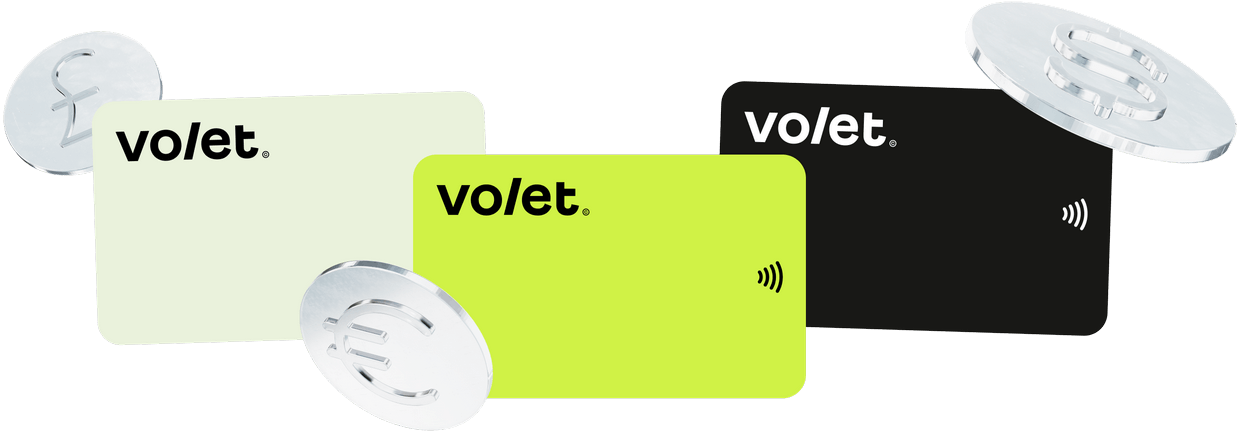

Money used to be simpler, at least on the surface. Most people were paid by a local employer, stored funds in a local bank, spent through one local debit card, and only thought about international payments when traveling or sending money abroad once in a while. That version of personal finance still exists, but it no longer describes how a growing share of people actually live and work. Today’s money lifestyle is faster, more digital, more global, and far less tied to a single country, a single payment rail, or even a single type of asset.
A modern user might get paid by a client in Europe, buy software from a U.S. company, spend through a prepaid card while traveling, receive a payout from an affiliate network, hold part of their balance in stablecoins, and send funds to someone in another country before the day is over. That is not unusual anymore. It is increasingly normal. Remote work, online business, creator income, global ecommerce, crypto adoption, and platform-based earning have all changed what people need from a payment account. The old expectation that one traditional banking product should cover every part of this new reality feels less convincing every year.
That is exactly why borderless finance has become such a powerful idea. People are no longer only looking for a place to store money. They are looking for a digital wallet that helps them receive money online, send money online, exchange currencies, access cards, manage crypto and fiat side by side, and move from earning to spending with as little friction as possible. They want a secure digital wallet that fits the flow of modern life rather than forcing them back into slower, narrower systems built for another era.
Volet is clearly designed around that shift. On its official site, Volet presents itself as a global e wallet and payment platform that combines fiat, crypto, cards, transfers, and business payment tools in one account. The company says it has operated since 2014, supports users in 150+ countries, serves more than 7 million worldwide users, processes more than 1 million monthly transactions, and works with more than 10,000 merchants. Its homepage also emphasizes one-account access to money, crypto, cards, deposits, withdrawals, and free instant P2P transfers for personal accounts.
Those details matter because they show what kind of product Volet is trying to be. This is not a tool positioned as only a crypto wallet app. It is not just a prepaid card wallet. It is not only an online payment platform for merchants. It is not simply a PayPal alternative or a Wise alternative for payments, although it will naturally be compared to both. Volet is trying to sit in the space where all those needs meet: digital storage, exchange, transfer, payout, and real-world spending. In other words, it is built for a financial life that moves across borders by default rather than by exception.
The Modern Money Lifestyle Is Already Borderless
To understand why Volet fits the modern money lifestyle, it helps to start with a simple truth: the modern money lifestyle is already borderless, whether users planned for that or not. A person does not need to be a globe-trotting entrepreneur to run into cross-border finance anymore. Streaming services bill from one country. SaaS tools may charge in another currency. Marketplaces pay out through a third system. Advertising platforms, payment gateways, and software subscriptions often create mini international transactions even for people who rarely think of themselves as “global.”
That is one reason so many people now search for terms like multi currency wallet, international e wallet, cross border wallet app, wallet for overseas shopping, or digital wallet for travel. They are not always trying to become international finance experts. Often, they are simply trying to reduce hassle. They want one account that helps them hold multiple currencies online, move value quickly, pay online without relying on slow legacy processes, and keep their finances flexible as work and spending become more international.
Volet’s product structure speaks directly to that need. Its official homepage describes a single account that combines money, crypto, and cards. It also highlights the ability to accept, send, receive, exchange, spend, and manage both fiat and crypto, while allowing deposits and withdrawals on hundreds of websites worldwide. That is an important framing. It suggests that Volet is not only for occasional transfers; it is designed to function as a broader borderless payment wallet, one that can act as a practical hub for daily financial movement.
This matters because convenience in 2026 is less about having more standalone tools and more about having fewer disconnected ones. People do not want one app for payouts, another for crypto storage, another for currency conversion, another for a card, and another for everyday spending if they can avoid it. They want an all in one payment app that feels coherent. Volet’s main value proposition is that it tries to unify those pieces, which is exactly what a modern global user tends to look for in a digital finance app.
Volet Is Built Around Hybrid Money, Not Old Categories
The real world of payments is no longer neatly separated into old categories. It is not only bank money and it is not only crypto either. Many users now live somewhere in between. They may earn in fiat, save in stablecoins, convert on demand, and spend through a card. Others may receive crypto, cash out through a bank rail, and use a virtual card for recurring subscriptions. The point is not that every user needs every feature. The point is that modern finance is hybrid, and tools that assume otherwise often feel incomplete.
Volet’s crypto pages make that hybrid approach very clear. The company says users can buy and sell crypto and stablecoins, switch between crypto and fiat, instantly deposit and withdraw at major crypto exchanges, and store, send, and receive supported coins through their own wallet addresses. It lists support for assets including BTC, ETH, LTC, USDT, USDC, BCH, XRP, TON, TRX, BNB, SOL, POL, and AVAX, and says users can send and receive assets within Volet instantly and for free.
What makes this especially relevant is that Volet does not stop at storage or exchange. It links crypto use to spendable outcomes. Its card pages explain that users often top up their fiat e-wallet via crypto or stablecoins, then load a card balance for daily purchases. That is a very practical model. It means Volet behaves less like a purely speculative crypto interface and more like a crypto friendly wallet that helps users bridge digital assets and everyday payments.
For many users, that is the difference between an interesting app and a useful one. A lot of people are curious about crypto, stablecoin payments, or bitcoin spending card experiences, but they do not necessarily want a full-time Web3 lifestyle. They want a wallet that lets them move between crypto and normal spending without unnecessary complication. Volet’s structure is well aligned with that mindset. It offers the functions of a fiat and crypto wallet, but it presents them inside a broader ewallet experience that still feels rooted in familiar payment behavior.
One Account Can Reduce a Huge Amount of Friction
One of the biggest advantages in a modern online wallet is not just what it can do, but how many steps it can remove. Financial friction often hides in transitions. The problem is rarely that users cannot receive money or spend money. The problem is what happens in between. They receive money on one platform, convert on another, withdraw to a third, and spend from a fourth. Every added handoff costs time, attention, and sometimes fees.
Volet tries to solve that by giving users multiple paths in and out of the same account. On its personal fees page, the company lists several funding options, including transfer from a personal account with no fee in USD and EUR, local bank transfers with no fee across a range of local currencies, card funding in USD and EUR at 3.5%, crypto deposits with no fee, and stablecoin funding for a flat 1 USD. For withdrawals, it lists no-fee transfer to a personal account in USD and EUR, local bank transfer from 1%, SWIFT in USD at 1% plus 25 USD, withdrawals to Visa or Mastercard cards starting at 4.5% plus a fixed amount, crypto withdrawals at network fee, and stablecoin withdrawals at 0.5% plus network fee.
Those options matter because they make the account more adaptive to real life. One user may want to top up by local bank transfer and later withdraw to a card. Another may deposit crypto and then cash out to fiat. Someone else may receive funds, convert them, and keep them inside the wallet for later spending. Volet’s own “after getting paid” guide explicitly describes these kinds of flows: converting USD to EUR, withdrawing to a debit or credit card, sending money to a bank account, using an internal crypto wallet, or sending money to another Volet user without a fee.
That flexibility is a major reason Volet fits the modern money lifestyle. In practice, people are not searching for an online wallet with one ideal use case. They are searching for a wallet to send and spend, a money transfer app with virtual card functionality, a borderless business account alternative, or a secure app for overseas payments that still works for ordinary daily tasks. The more routes a platform supports without becoming unwieldy, the better it aligns with those modern needs.
A Multi Currency Wallet Is No Longer a Niche Product
A decade ago, a multi currency wallet might have sounded like a specialist tool for frequent international travelers. Now it sounds like a practical answer to how modern spending works. Prices, subscriptions, and incomes are increasingly denominated across multiple currencies, even for people who stay in one country most of the year. Currency exposure is no longer limited to international investors or large import-export businesses. It has become a normal part of digital life.
Volet’s product positioning reflects that shift. Its business overview says the account can hold USD, EUR, USDT, USDC, BTC, ETH, and other assets, while allowing users to receive payments, convert currencies at near-market rates, keep liquidity in crypto or fiat, and send payouts globally through banks or blockchain from a single dashboard. The accept-payments page similarly describes access to major fiat currencies and tokens, immediate access to incoming money, instant currency exchange, and withdrawals via bank, card, or crypto.
That is relevant not only for businesses but also for personal users. A wallet with currency conversion, card access, and both fiat and crypto options can serve as a practical USD EUR wallet, euro dollar pound wallet, or broader foreign currency spending app for people who do not want every international transaction to become an administrative chore. Instead of thinking in terms of “How do I send money abroad this one time?” they can start thinking in terms of “How do I run my financial life smoothly across currencies?” That is a much bigger and more durable use case.
The SEO appeal of Volet sits right there. It naturally fits searches like best app for multi currency payments, wallet with instant exchange, wallet with real time conversion, online foreign exchange wallet, cheap currency conversion app, or digital wallet with currency conversion. But beyond search visibility, the core point is practical: multi-currency functionality is no longer a luxury feature. It is part of what makes a wallet feel modern.
Cards Turn Digital Balances Into Everyday Spending Power
A wallet becomes far more useful once it connects to cards. Storing value is one thing. Spending it in the real world is another. Many users do not want their account to stop at transfer and exchange. They want it to become usable at checkout, on mobile wallets, at ATMs, and in the kinds of ordinary transactions that happen every day.
Volet clearly understands that. Its cards page says users can get instantly loaded plastic or virtual cards for worldwide ATM and POS payments, with availability depending on region. It says the cards are topped up instantly from the Volet e-wallet, that virtual cards are issued instantly, and that plastic cards can be delivered with standard or express shipping depending on the region. The same page notes that some cards support Apple Pay and Google Pay.
That turns Volet from a payment app into something much closer to a full everyday money account. A digital wallet with balance is useful, but a digital wallet with physical card or virtual card becomes much easier to rely on. Once spending enters the picture, the wallet starts to overlap with categories people actively search for: online wallet with debit card, global debit card app, wallet with virtual Mastercard, travel card with app, wallet with physical card, international spending wallet, or prepaid card for everyday spending.
Volet’s digital card page adds even more detail. It says the Digital Card costs $5 one time with $10 instantly credited to the card balance, charges $2 per month in maintenance, can only be topped up from the Volet fiat wallet, and is designed to let users add funds from crypto into the wallet first and then move those funds to the card. That means Volet is not promising a magic direct-on-chain spending trick. It is promising something more practical: a clear route from digital assets to day-to-day card use.
Virtual Cards Are Especially Well Matched to Online Life
The virtual card has become one of the defining tools of modern internet spending. It suits subscription-heavy work, ecommerce, software buying, advertising spend, marketplaces, app purchases, and the endless stream of digital services that power remote work and online business. A wallet that can create virtual cards instantly is not just convenient. It is aligned with how many people actually operate.
Volet says its virtual cards are issued instantly and can be used for global online and offline spending depending on the product. Some card products also support Apple Pay and Google Pay, which means a digital card can move beyond browser checkout and into tap-to-pay use cases where supported. Its “after getting paid” guide emphasizes that once the card is created, it appears inside the account, can be funded at any time from the wallet balance, and is separated from the wallet balance so users can manage card funding intentionally.
That is important because a virtual card wallet is often about control as much as speed. Users may want one card for subscriptions, another for advertising, another for travel bookings, or simply a card they can fund on demand. Even when a platform does not market itself with every possible keyword, its feature set can still match search intent behind terms like instant virtual card, create virtual card instantly, digital card for subscriptions, virtual card for online purchases, virtual card for recurring payments, virtual card for business expenses, or secure virtual card for shopping.
For freelancers, agencies, media buyers, ecommerce operators, and SaaS founders, this matters a lot. Their spending is rarely a simple monthly pattern. It shifts across campaigns, tools, vendors, and currencies. A wallet with card controls and instant issuance helps them stay agile. Volet’s overall design suggests that it understands this digital-first spending behavior better than many legacy financial products that still assume most card use begins with a conventional bank account.
Physical Cards Keep the Wallet Grounded in the Real World
At the same time, not everything is virtual. Even highly online users still need physical payment tools. Travel, dining, transport, retail, cash access, and point-of-sale transactions all bring the wallet back into the physical world. That is why a physical prepaid card or reloadable international card still matters, even in an era dominated by apps.
Volet’s homepage and card pages both stress worldwide spending through plastic and virtual cards, as well as ATM and POS use. Its “after getting paid” guide adds that physical cards can be used anywhere Visa or Mastercard is accepted and that plastic cards allow cash withdrawals at ATMs, with region-specific fees and limits visible before ordering.
That makes Volet more relevant for users looking for a travel payment card, worldwide spending card, ATM withdrawal card, prepaid travel wallet, or wallet with cash withdrawal option. It also makes the platform more practical for people who want a digital alternative to a bank account but still need familiar payment behavior once they step outside the browser. A borderless wallet only feels truly complete when it helps users online and offline. Volet’s card strategy is a major reason it can claim to fit the modern money lifestyle rather than just one narrow corner of it.
This is especially useful for people whose lives cross borders regularly, even if only in small ways. An online seller who travels to conferences, a remote worker splitting time between countries, a student studying abroad, or an expat supporting family in another region all benefit from a payment account that can bridge app-based balances and local card-based reality. Volet seems intentionally designed to serve both.
Travel, Remote Work, and Cross-Border Living Are No Longer Edge Cases
There is a reason search behavior around travel money, global spending, and remote-work finance keeps expanding. International life is no longer limited to a tiny professional class. More students study abroad. More workers earn remotely. More families live across more than one country. More entrepreneurs run online businesses with customers, tools, and payouts in different jurisdictions. Finance has had to catch up.
Volet’s product positioning feels particularly well matched to this environment. The homepage says people can get paid by employers or affiliate programs, receive CPA network payouts, distribute funds in teams, move money and crypto between Volet wallets or crypto wallets, and spend through cards worldwide. The business overview adds support for multi-currency balances, banking rails such as SEPA, SWIFT, CIPS, and FPS, and global payouts across 180+ countries.
That is the kind of architecture that naturally appeals to digital nomads, remote contractors, expats, migrant workers, and cross-border households. These users do not only need international money transfer in the classic remittance sense. They often need an international payment account that can receive overseas payments, convert balances, send funds globally, and still act as a wallet for everyday spending. A borderless e wallet earns its place when it can support both movement and daily life.
Volet also benefits from network usefulness. Its homepage says hundreds of websites worldwide support Volet e-wallets for deposits and withdrawals. That matters because a wallet becomes much stickier when it appears where users already earn, trade, pay, or cash out. It is one thing to offer features on paper. It is another to be present in the ecosystems where users actually move money.
A Strong Fit for Freelancers, Creators, and Affiliate Marketers
If there is one broad audience that especially benefits from a product like Volet, it is the independent earner. Freelancers, creators, affiliate marketers, publishers, remote consultants, media buyers, and digital entrepreneurs all tend to experience money as fragmented. Income may come from several platforms. Clients may pay in different ways. Expenses may need to be covered immediately. Withdrawals, subscriptions, contractor payments, and ad spending may all happen through separate channels.
Volet speaks directly to that world. On its homepage, it says users can get paid by employers or affiliate programs, receive CPA network payouts, and automate mass payouts, B2B and B2C payments, and crypto payments. Its mass payouts page expands on that by describing payout models for affiliate networks, streaming platforms, agencies, SMBs, and startups paying creators, freelancers, and contractors.
That is a big reason the platform fits terms like wallet for affiliate marketers, wallet for publishers, payout wallet for creators, wallet for online entrepreneurs, wallet for freelancers, wallet for agencies and freelancers, or payment solution for remote workers. Volet is not only trying to be a place where a user stores value. It is trying to be a place where digital earning and digital spending connect. For users with irregular or platform-based income, that is highly valuable.
The “after getting paid” guide makes the consumer side of this especially clear. Once funds arrive, users can keep them in the wallet, convert between currencies, withdraw to crypto, send money to a bank account, withdraw to a card, or fund a Volet card for everyday use. That kind of post-payout flexibility is exactly what many online earners need. The friction in digital work is often not earning the money. It is getting from payout to usable money in the fastest, simplest way. Volet is clearly designed around that reality.
Volet’s Business Features Make the Whole Ecosystem Stronger
One often overlooked advantage of platforms like Volet is that the business side and the personal side can strengthen each other. When businesses can accept payments, automate payouts, and settle in the same ecosystem that personal users rely on, money tends to move more smoothly. This is especially important in creator economies, online marketplaces, SaaS, affiliate networks, and other digital sectors where the line between merchant and user is constantly shifting.
Volet’s business overview describes a unified business payment platform combining crypto and fiat tools in one account. It says companies can accept payments, manage multi-currency balances, automate payouts, keep treasury in crypto or fiat, and run global operations without multiple providers or fragmented banking rails. It also describes a business account that can hold USD, EUR, USDT, USDC, BTC, ETH, and more, with support for near-market conversion and global payouts through banks or blockchain.
The accept-payments page adds more detail. It says merchants can accept e-wallet and crypto payments, go live in 24 hours or less after verification, access incoming money immediately, avoid traditional chargebacks in that flow, and withdraw via bank, card, or crypto. It also highlights easy integration, reporting tools, and 24/7 expert support.
Why does this matter for a personal-user article? Because the best wallet experience often depends on the surrounding network. If businesses, platforms, and payout systems can use the same ecosystem, then receiving client payments online, affiliate commissions, rewards, salaries, bonuses, or marketplace earnings becomes simpler. Volet is not only trying to win individual users one by one. It is trying to create an environment in which businesses can pay those users directly and efficiently. That is how a modern payment platform grows beyond being a useful tool into becoming a useful payment layer.
Mass Payouts Make Volet Relevant to Platform Economies
The modern internet runs on payouts. Affiliate networks, creator platforms, cashback programs, exchanges, service marketplaces, gaming ecosystems, and remote-first businesses all need ways to move money to large groups of recipients quickly. That payout layer is a huge part of modern finance, and many users encounter it every month without ever thinking about the infrastructure behind it.
Volet’s mass payouts page is one of the clearest signals that the company understands this side of the market. It describes platform-initiated mass payouts, user-initiated withdrawals, and manual payouts to freelancers and creators. It says payouts can be sent to 180+ countries through stablecoins, crypto, or Volet wallets, and that recipients can withdraw locally to a card, bank, or exchange. The page also emphasizes support for micro-payouts, stablecoin-based balance management, and bulk payout processing that can complete thousands of transactions in minutes.
That is especially significant for anyone searching for terms like international payout solution, online payout platform, payout app for marketplaces, global payroll wallet, salary payout wallet, mass payout wallet, partner payout solution, or wallet for contractor payouts. Volet’s features suggest that it is not only a good fit for people who receive money internationally; it is also designed for organizations that need to send it.
And when those organizations use the platform, the personal side becomes more powerful. A creator or freelancer does not want to spend hours figuring out how to move funds out after getting paid. They want a payout wallet that already connects to transfers, conversions, and cards. Volet’s business and personal tools together create exactly that kind of loop.
Crypto Feels Practical on Volet, Not Abstract
There is a big difference between offering crypto and making crypto usable in a real financial workflow. A lot of apps can say they support digital assets. Far fewer help users integrate those assets into ordinary spending, business settlement, or personal cash flow. Volet seems to understand that the key to crypto adoption is not just access. It is practicality.
Its crypto page says users can buy crypto with balance or card, sell crypto, deposit and withdraw at major exchanges, and store, send, and receive coins through their own addresses. The business side says companies can accept crypto and fiat in one system, settle instantly in fiat if needed, and use crypto on-ramp and off-ramp functions via rails like SEPA, SWIFT, and CIPS.
That means Volet is not positioning crypto as a silo. It is positioning it as part of a wider payment environment. That makes it naturally attractive for searches like crypto friendly wallet, stablecoin spending wallet, digital wallet with crypto conversion, crypto cashout wallet, wallet for moving crypto to fiat, spend USDT with card, spend USDC with card, or app to use crypto for purchases. Even if a user begins with crypto, the platform gives them routes toward normal financial outcomes: payout, exchange, withdrawal, or card spending.
This practical framing may be one of Volet’s strongest advantages. Many people are open to crypto but resistant to unnecessary complexity. They do not want to think about nodes, gas strategies, or wallet fragmentation if their goal is simply to receive value, manage it, and spend it. Volet’s business copy even says businesses can use crypto-friendly infrastructure without seed phrases, smart contracts, or operational headaches. That kind of language suggests a platform that wants crypto to feel functional rather than intimidating.
Security Is a Core Part of the Borderless Pitch
The more flexible a wallet becomes, the more seriously security must be taken. That is especially true for an account that combines online balances, cards, fiat transfers, crypto transfers, and global activity. Users can forgive a simple app for having simple security. They are less likely to forgive a borderless finance platform if it feels underprotected.
Volet puts significant attention on this area. Its homepage describes all money and assets as fully covered and secured, mentions multi-tier account protection, and says the platform is safe, regulated, and focused on security and privacy. The business accept-payments page adds references to enterprise-grade security, robust 2FA protection, physically secured servers, and intelligent environment monitoring.
The support center gives more specific detail. Volet documents security settings that include two-factor authentication, IP address binding, payment password, code card, SMS authorization, and Intelligent Identification. Its 2FA page says users can choose OTP tokens refreshed every 60 seconds via hardware keychain token, mobile app, or chat-based options. Its Intelligent Identification page says Volet checks each login for unfamiliar signs such as IP address or location and sends email confirmation when something looks unusual. The IP binding page says users can restrict access to specified IPs or IP ranges, and the payment password page says that password protection can be applied to money transfers and withdrawals.
For users searching for a secure app for foreign payments, wallet with 2FA, secure prepaid wallet, verified payment wallet, or fraud protected virtual card environment, these details matter. Security is not a side benefit in borderless finance. It is one of the reasons a user chooses a platform in the first place. Volet’s layered security options help support its broader claim to be a trusted e wallet for international payments.
The User Experience Is About Choice, Not One Fixed Route
Another reason Volet fits the modern money lifestyle is that it does not assume there is one correct financial path for everyone. Some users want to fund by bank transfer. Some want to load by card. Some want to deposit crypto. Some want to withdraw to a bank account, some to a payment card, and some to an external crypto wallet. A wallet becomes more valuable when it supports several legitimate exit points rather than forcing users into a single preferred method.
Volet’s own post-payment guide makes this especially visible. It outlines multiple ways to use funds after receiving them: send crypto to an external wallet, create and use an internal crypto wallet, withdraw to a debit or credit card, transfer to a bank account, keep funds inside the wallet, or send money to another Volet user without a fee. It even distinguishes between sending money to cards and to bank accounts, noting that card payouts are usually faster while bank transfers can be cheaper.
That kind of route flexibility is essential in modern finance. People search for cheapest way to send money internationally, fast international payment app, transfer money abroad online, withdraw to bank account, send money to card, and receive international payments because they are often solving specific situations, not choosing one permanent ideology. A strong online wallet should adapt to those situations. Volet appears built to do exactly that.
It also helps keep the platform relevant to both personal and professional users. The same account can work as a remittance-style tool for one user, a spending wallet for another, a payout wallet for a creator, and a business payment solution for a startup. That breadth is not accidental. It is central to why the product can fit a modern, mixed, cross-border lifestyle.
Where Volet Stands Out Against Common Alternatives
When people look for a service like Volet, they often do not search the brand name first. They search by problem and by comparison. They look for an alternative to PayPal for international payments, a Skrill alternative, a Neteller alternative, a Revolut alternative wallet, a fintech alternative to banks, or a digital alternative to a bank account. Those searches reveal something important: many users are not loyal to any one provider. They are looking for a better fit.
Volet stands out because it combines several categories that are often split across competing services. It offers features associated with a digital wallet, a multi currency wallet, a crypto payment wallet, a virtual card wallet, a prepaid card wallet, a payout platform, and a business payment hub. It also positions itself around global movement rather than local convenience. That makes it especially compelling for people whose money life does not fit inside one country or one financial lane.
At the same time, the platform is not trying to be everything for everyone in a vague way. Its strengths are fairly concrete. It is strong when users need cards plus wallet balances, crypto plus fiat, payouts plus withdrawals, or business tools plus personal use. It is strong when the question is how to receive, exchange, and spend across borders from one account. That is why the brand feels naturally aligned with searches like best e wallet alternative, best international wallet, best wallet for global payments, best wallet with virtual card, or borderless business account alternative.
The Honest Caveats Make the Product Easier to Trust
No serious finance article should pretend that every feature applies equally to every user. One of the best ways to understand Volet is to also understand its limits and conditions. Card availability, for example, depends on the product and region. The cards page says the Global digital Mastercard is available in 150+ countries, APAC plastic cards are regional, and Europe cards are available across Europe, Turkey, and Israel. It also says that some cards support Apple Pay and Google Pay, which means users should check individual card details rather than assume universal support.
Funding and withdrawal routes also have different costs. The personal fees page shows no-fee internal transfers and some no-fee loading methods, but it also lists charges for certain card funding, card withdrawals, SWIFT, and stablecoin activity. That does not weaken the platform’s overall case, but it does mean smart users should match method to purpose. A person making regular online purchases may prefer a card route. Someone optimizing for lower cost may prefer local bank transfer or crypto depending on context.
The same goes for crypto spending. Volet does support crypto-enabled spending, but the card flow is clearly built around loading the fiat wallet first and then transferring funds to the card. That is often a cleaner and more compliant structure than direct asset-linked card mechanics, but users should understand what the platform actually offers. Volet is best thought of as a crypto friendly payment wallet with strong off-ramp and spend functions, not just as a direct blockchain debit product.
These caveats do not reduce the product’s relevance. They make the picture more accurate. And in financial services, accuracy is part of trust.
Why Volet Feels So Well Aligned With SEO Intent
From a content perspective, Volet is also a strong brand to build around because it sits at the intersection of several high-intent search categories. It is relevant to readers looking for a digital wallet, a global digital wallet, an online wallet with debit card, a wallet for international freelancers, a borderless e wallet, a crypto friendly wallet, a virtual Mastercard solution, a payment app for global entrepreneurs, or a business wallet with cards. Many fintech products rank well in one of those lanes. Volet naturally belongs in several at once.
That is not just good for search engines. It is good for readers. The strongest SEO articles are the ones that reflect genuine overlap between real user needs. A person searching for a wallet with card controls may also need international transfers. A person searching for a travel payment card may also care about multicurrency balances. A person searching for a crypto spending account may also want fiat withdrawals and 2FA. Volet works well as an article topic because the product actually spans those connected needs.
Its official materials support that positioning. The brand consistently presents one account for sending, receiving, exchanging, spending, and managing fiat and crypto; it supports personal and business flows; it integrates cards, payouts, security, and cross-border rails; and it connects to broad user groups ranging from merchants and startups to freelancers, affiliates, and travelers.
That means a long-form article about Volet can rank for different but related search intents without feeling forced. The product itself creates the content breadth.
Borderless by Design Is More Than a Slogan
In the end, the phrase “borderless by design” works for Volet because the platform appears built around the real shape of modern money. Not yesterday’s money. Not an idealized version of banking. Not a crypto-only future detached from everyday life. Modern money is mixed. It is digital, mobile, cross-border, card-linked, platform-driven, and increasingly comfortable moving between fiat and digital assets. The tools that win in this environment will be the ones that make those transitions feel simple.
Volet makes a strong case in that direction. It combines fiat and crypto in one account. It supports global card spending through virtual and plastic products. It offers multiple funding and withdrawal routes. It enables free instant P2P transfers for personal accounts. It provides business infrastructure for accepting payments and running payouts. It supports layered security tools that matter in a fast-moving, international payment environment. And it frames all of that around usability rather than technical spectacle.
That is why Volet fits the modern money lifestyle so well. It is not just a wallet for one type of user. It is a practical online wallet for people whose financial lives are no longer limited by geography, asset type, or one narrow payment method. It can function as a secure digital wallet for travelers, a payout wallet for creators, a multi currency wallet for remote workers, a crypto friendly wallet for digital earners, a virtual card wallet for online spending, and a business payment platform for companies operating across borders.
For anyone looking for a smarter way to manage money in a world where income, spending, work, and opportunity no longer stop at one border, Volet feels timely. More than that, it feels structurally relevant. The future of finance is not only about sending money faster. It is about holding, exchanging, paying, withdrawing, and spending through systems designed for real modern behavior. On that front, Volet looks less like a niche product and more like a strong answer to a very current question: what should a truly modern e wallet be able to do?